Takeaways from SXSW London 2026
TL;DR I went to SXSW London (again), attended a mountain of great talks and want to share my thoughts and reflections.

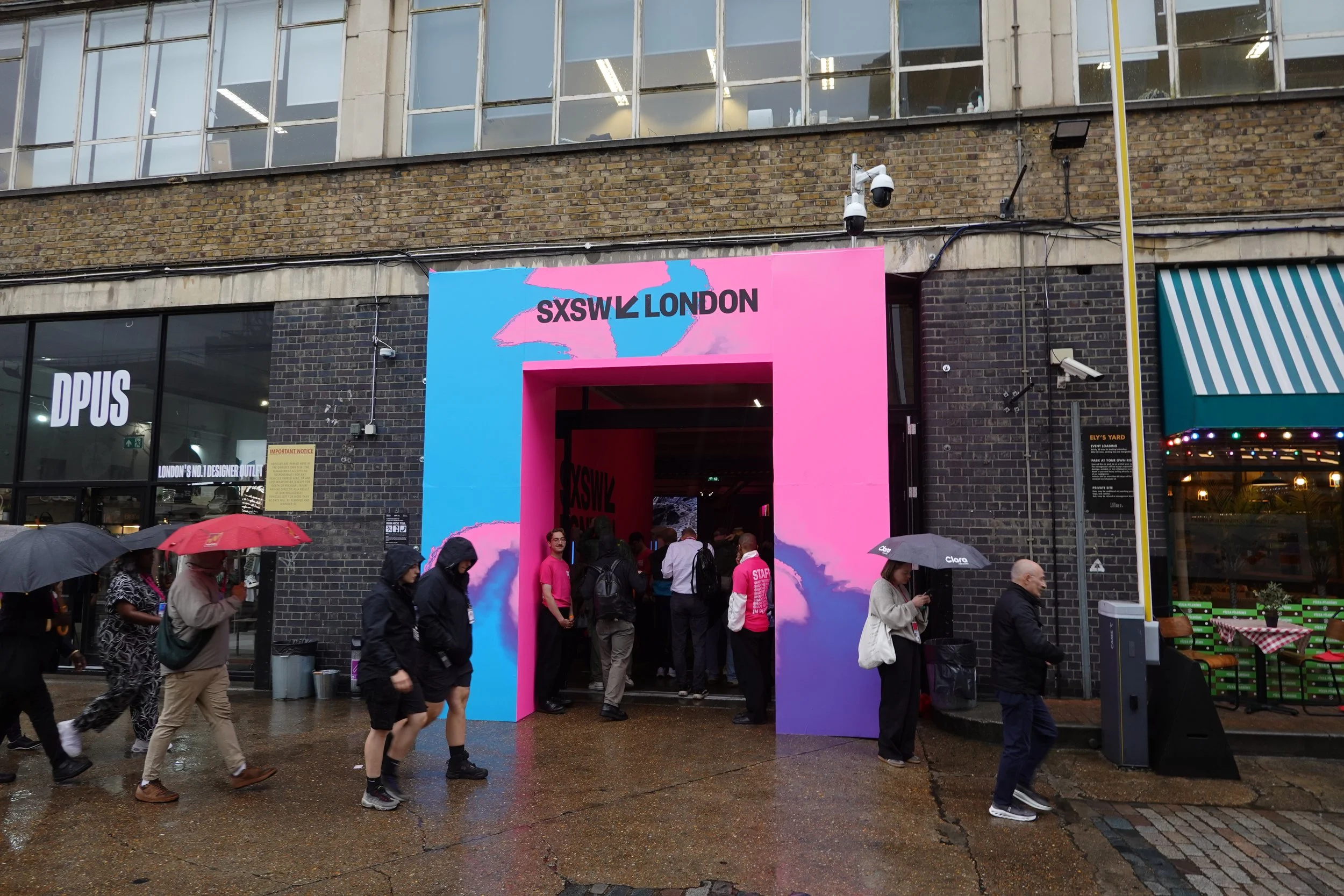
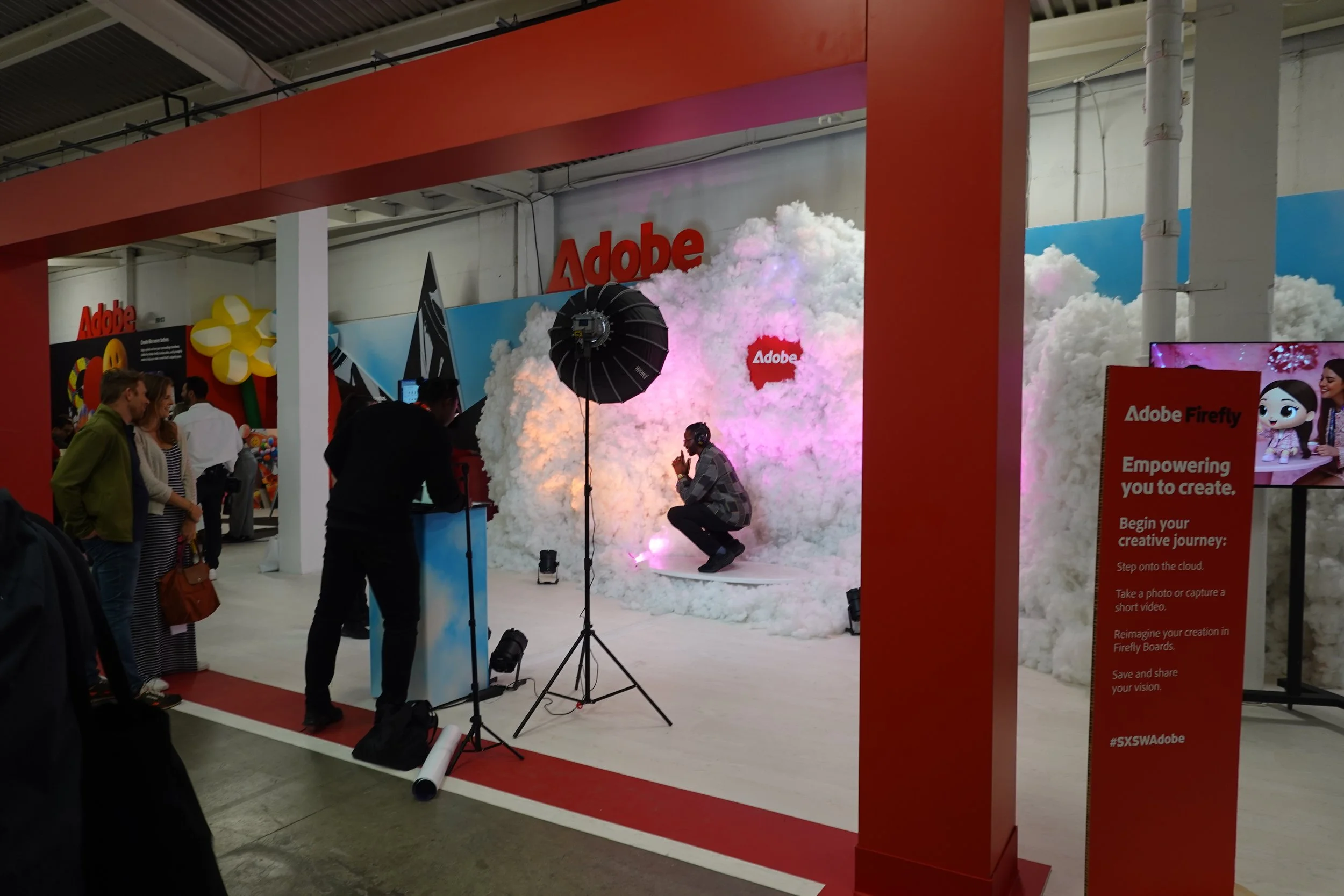
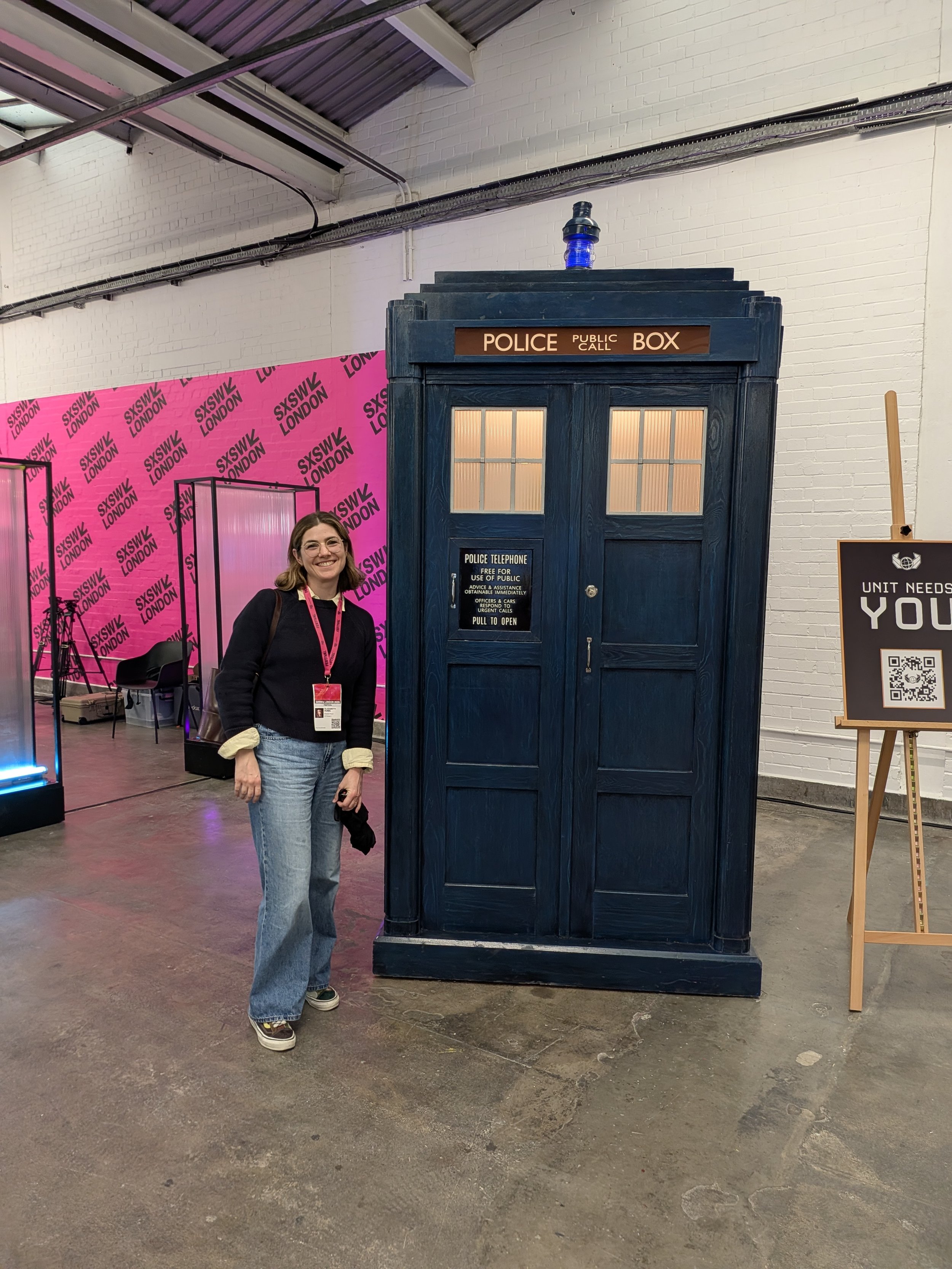
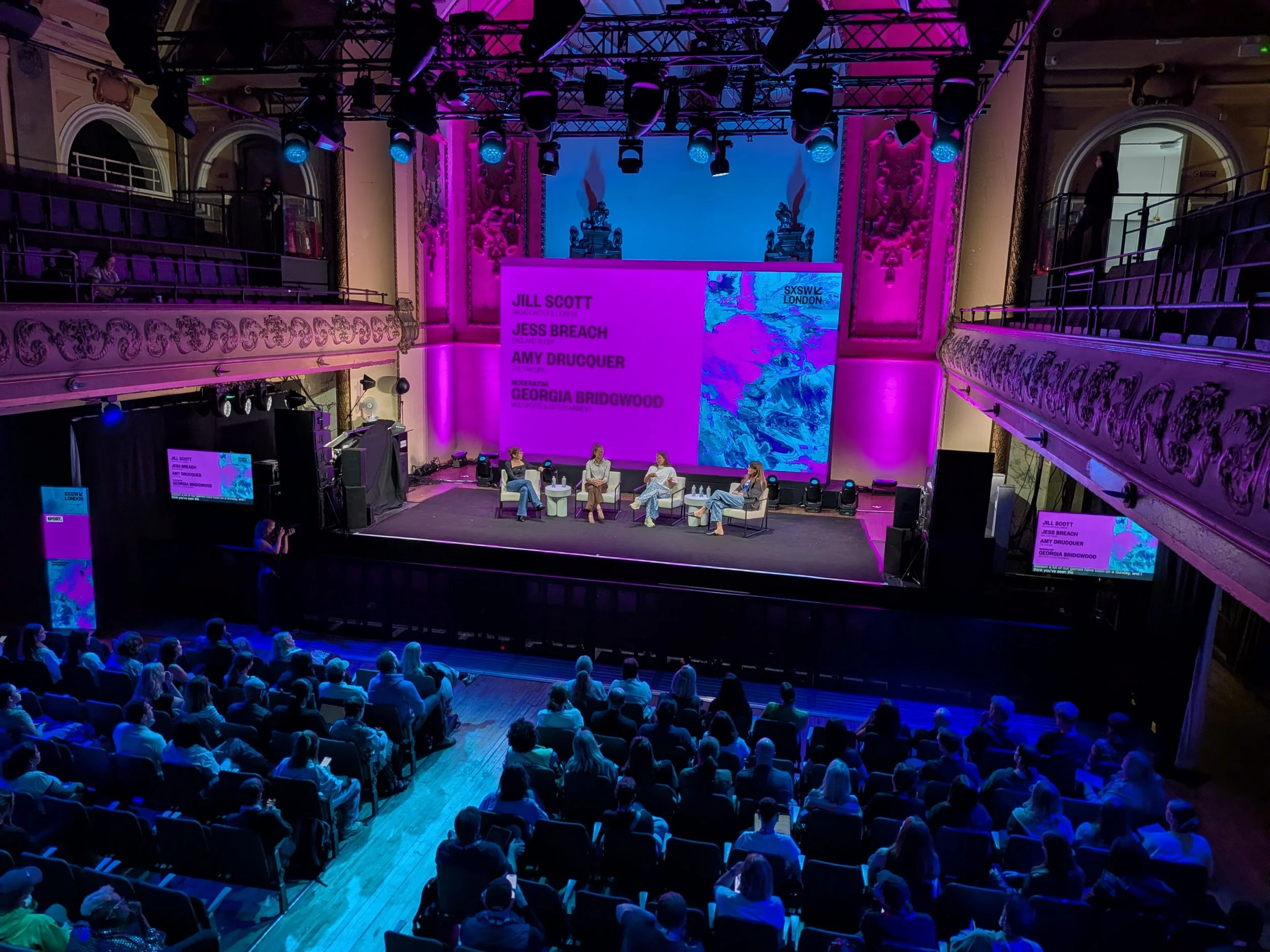

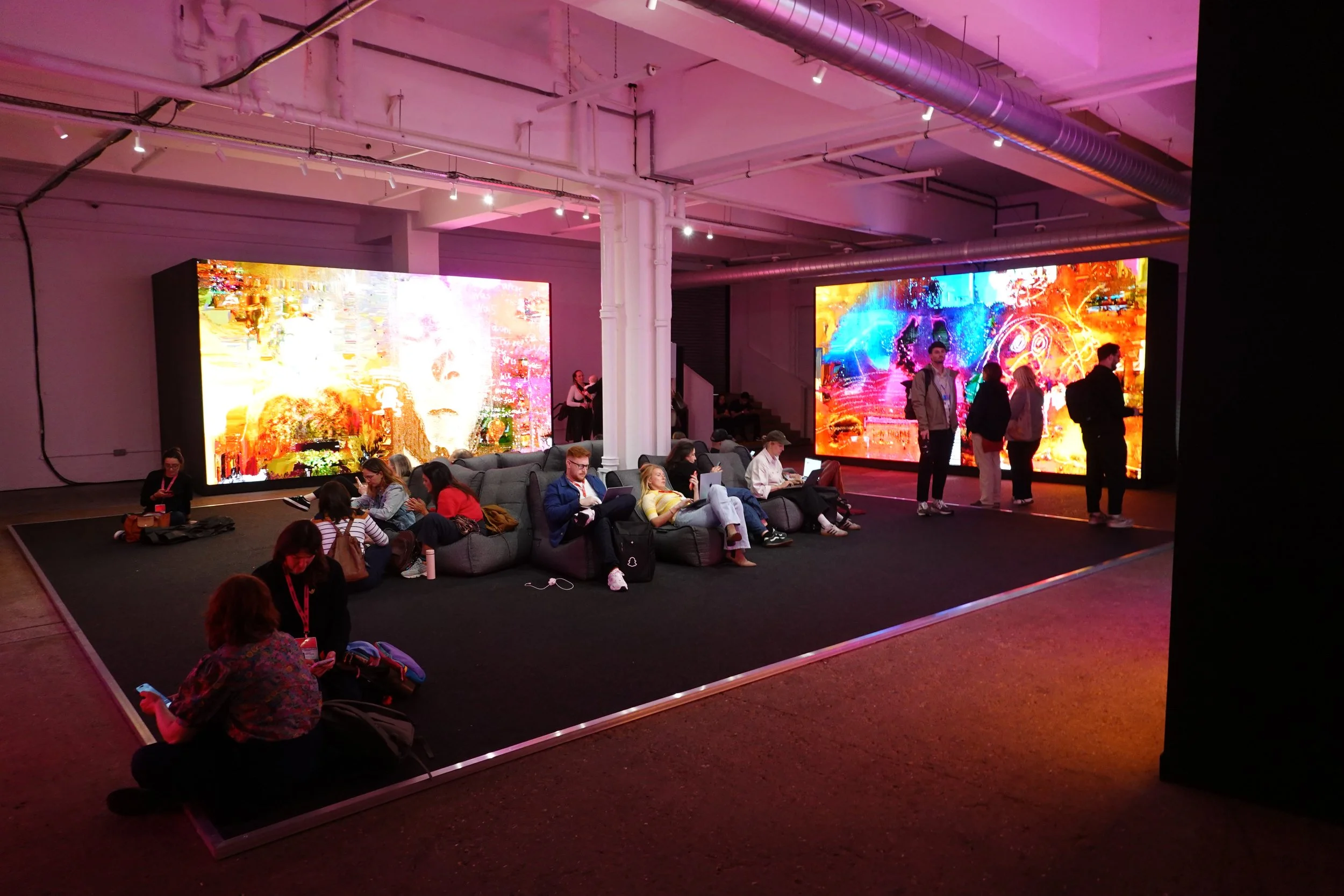
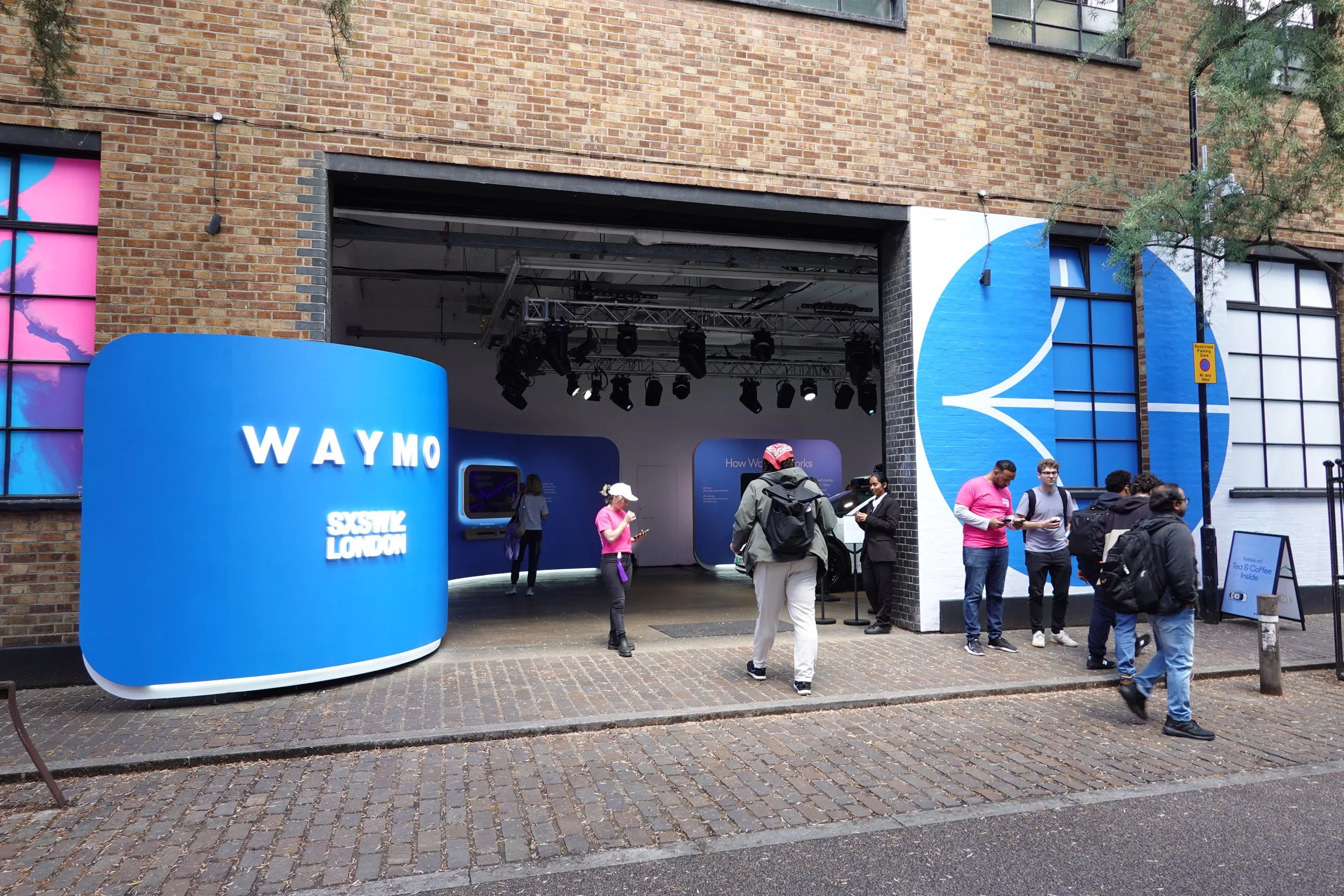
SXSW Overview
South by Southwest (SXSW) is an annual mega-festival and professional conference that celebrates the convergence of technology, film, television, music, education, and culture.While SXSW originally started in Austin, Texas back in 1987—where it still holds its flagship event every March—the brand has officially expanded to London last year.
If you read my Takeaways from SXSW London 2025, you’ll remember that while the insights were stellar, the event logistics were, honestly, quite a mess. The organizers subsequently published a hopeful "What’s New for 2026" roadmap. Armed with a discounted pass, I walked into this year's conference feeling optimistic.
The Verdict
It was a slight improvement from last year, but still uniquely chaotic.
The Good
Eclectic Perspectives: A genuinely great mix of cross-industry minds colliding.
The Balcony Strategy: Taking advantage of upper-tier seating was a lifesaver for actually seeing the stages.
Queue Comforts: Someone handed out hot chai while we queued in the typical British downpour, which almost made up for the weather.
The Bad
Broken Promises: The promised fixes didn't fully deliver. The RSVP system tanked, people were let into rooms mid-session, and the venues—while vaguely clustered—were still far away and required sprinting through the rain.
The Second-Screen Syndrome: Many of the attendees in these highly exclusive talks were actively working on laptops, taking corporate calls, or scrolling TikTok.
The "Track" vs. "Theme" Matrix: I challenge anyone to explain the practical difference between a conference "track" and a "theme" on their website.
And finally, my own personal "Ugly" truth
I am utterly exhausted by the topic of AI. Between my day job at Google and my personal life, it is an inescapable wall of noise. Yet, looking at the schedule, avoiding it was impossible. But here is the twist—the talks that actually cut through the hype weren't the ones selling synthetic shortcuts. They were the ones analyzing what happens to humanity when the digital floor gets raised.
Themes of the conference

Official themes for SXSW London 2026
-
Modern infrastructure and corporate setups must be structurally rebuilt rather than superficially patched. This means directly challenging legacy, hands-off corporate structures to safeguard a brand's moral mission—much like Ben & Jerry's push against its parent company —or using intentional product friction to combat post-pandemic user isolation, as Hinge is doing by prioritizing real-world dates over addictive app engagement.
-
The dominant conversation has shifted past high-level chatbots into enterprise-scale automation and full orchestration. However, this agentic future is heavily centralized , sparking critical concerns about massive Western tech conglomerates moving vastly faster than their clients, dominating global market regulation, and letting vital baseline tech skills diminish without deliberate workforce upskilling.
-
The global longevity playbook has firmly shifted from extending mere chronological lifespan to optimizing biological healthspan. True user-centered design in this space means recognizing that biological aging is 80% driven by daily habits , requiring digital products to actively design for real human behaviors, cellular stress reduction, and mental wellbeing rather than assuming a one-size-fits-all clinical default.
-
Specialized, fiercely authentic human subcultures serve as our strongest defense against algorithmic blandification. Legacy brands must move away from generic, patronizing clichés—like the sports industry dropping "You Go Girls" marketing to treat female athletes as nuanced, mud-splattered cultural tastemakers —and build human-curated spaces, like Patreon's direct-to-fan network that trades infinite scrolling for real community trust.
-
As automation handles left-brain data replication and raises the mediocre middle of production, raw human taste and slow craft become the ultimate luxuries. The real value lies in using hard physical or emotional constraints to evoke a visceral reaction—whether that means retraining young digital designers to scrub physical Letraset graphics by hand for Call of Duty , or composers tag-matching a non-linear, 10-hour movie script blindly for the game Immortality
-
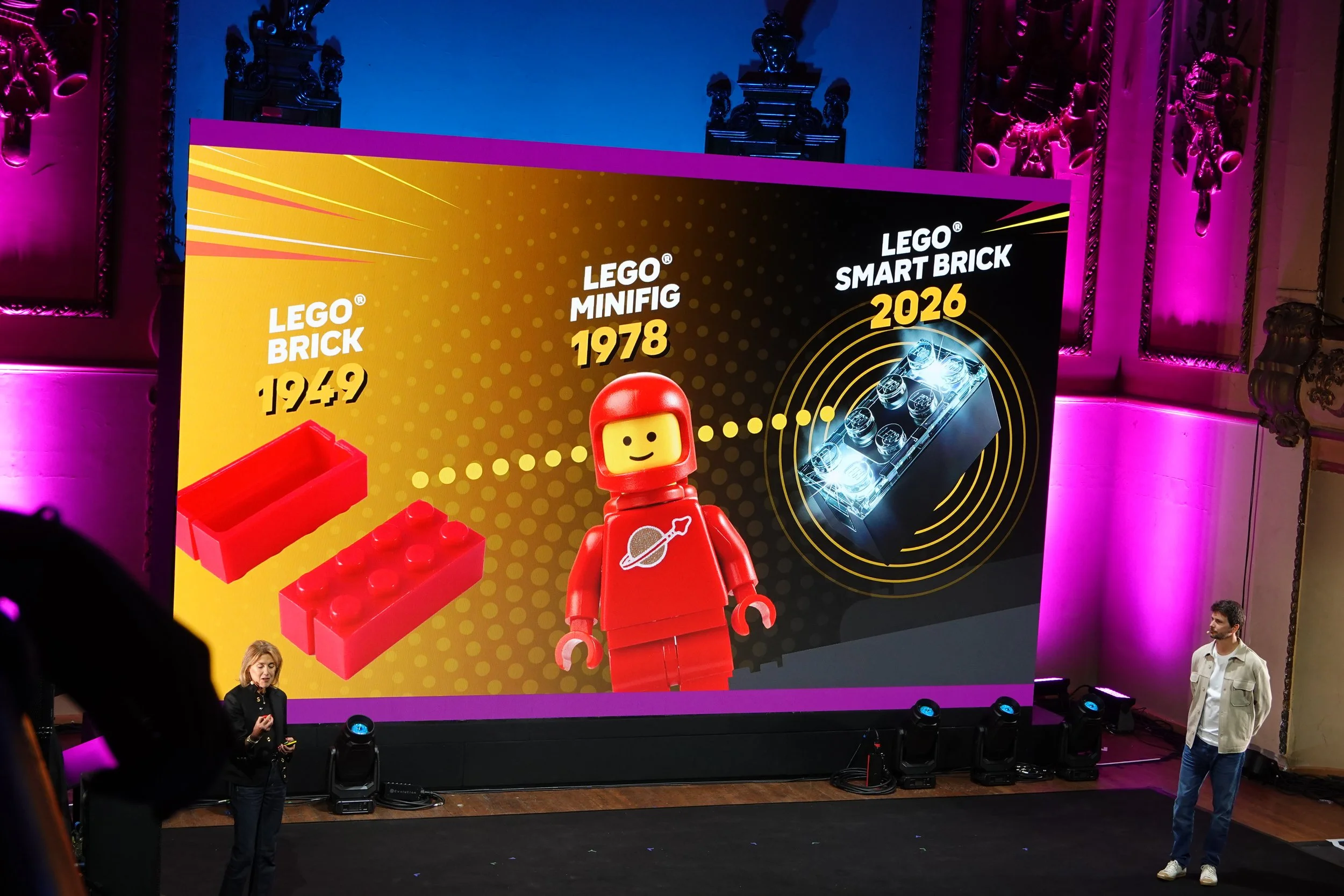
Speculative design is no longer a distant projection; future environments are actively being built and stress-tested in the present through spatial logic. We see this in open-world gaming engines like Grand Theft Auto functioning as deep mirrors of urban pop-culture history , and legacy giants like LEGO engineering interactive Smart Bricks to dynamically adapt to organic user play patterns.
Talks that stood out
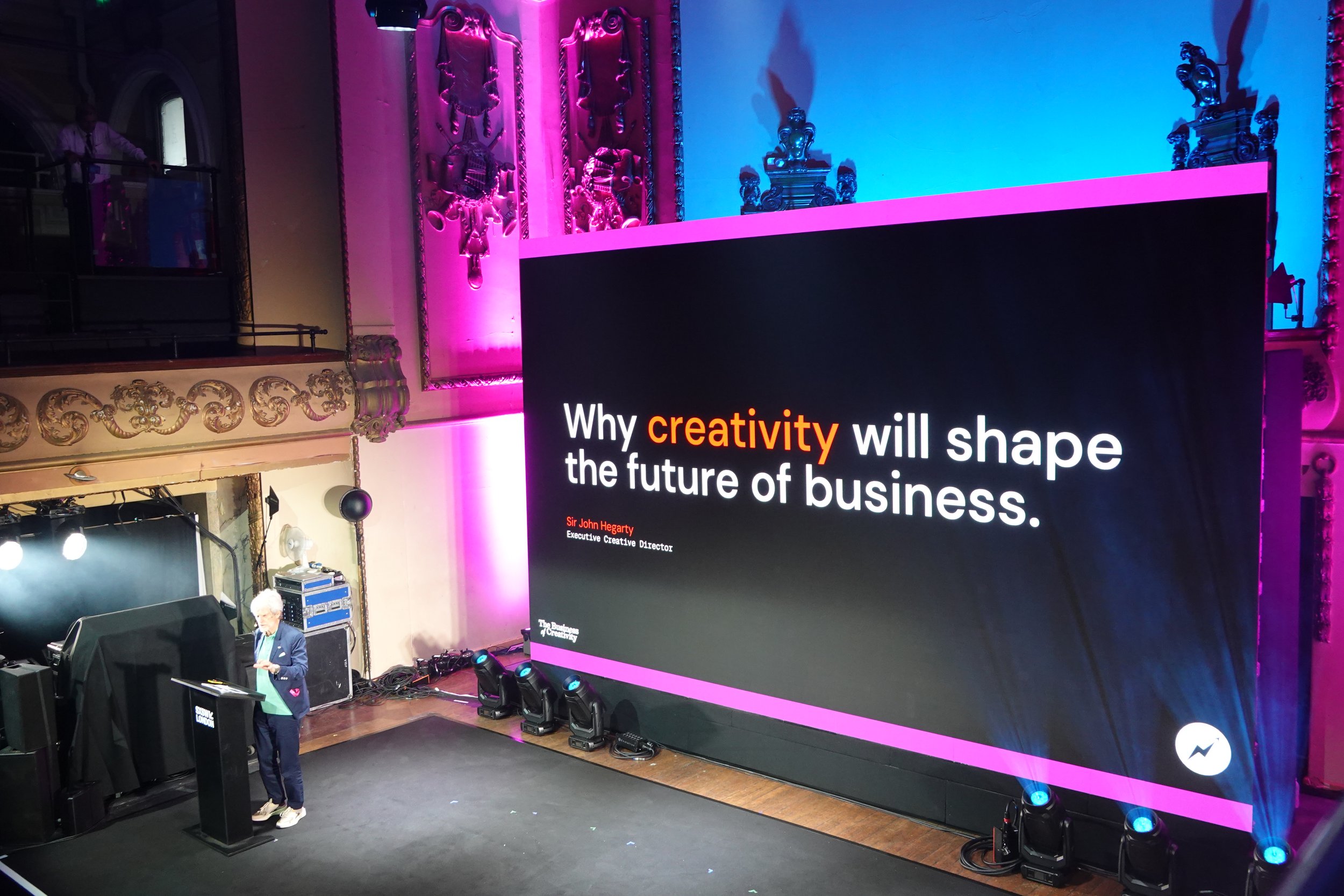
Why Creativity Will Shape the Future of Business
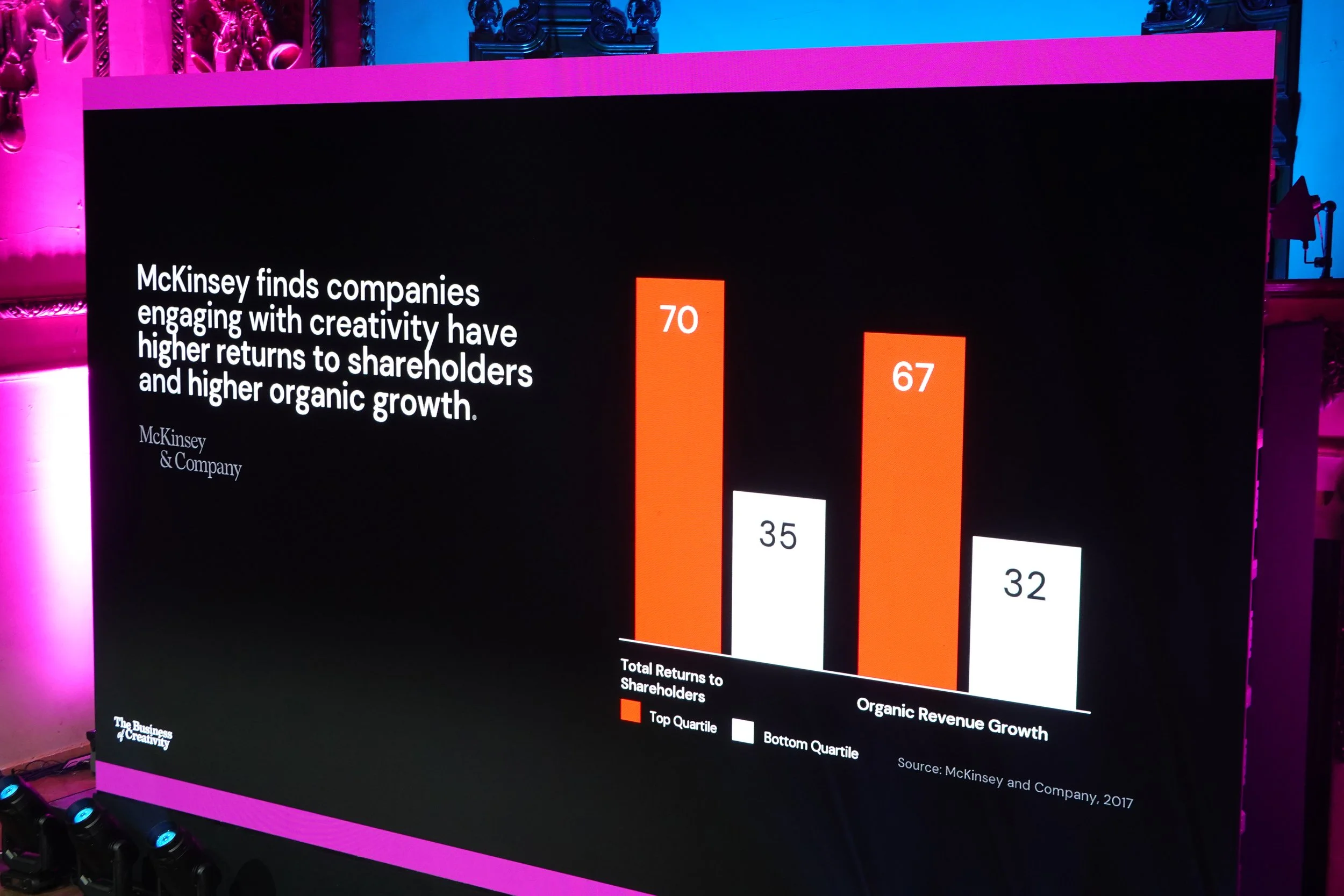
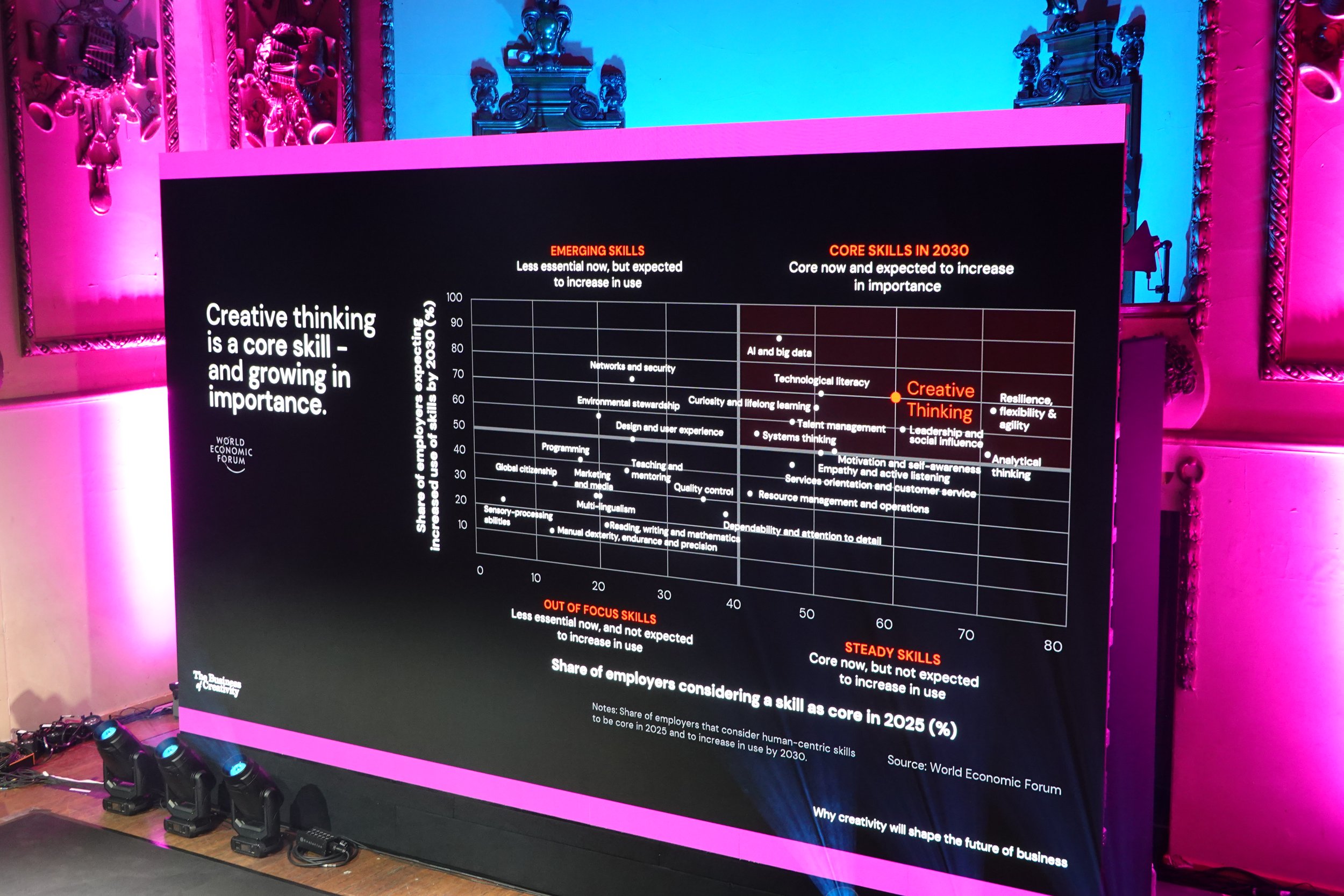
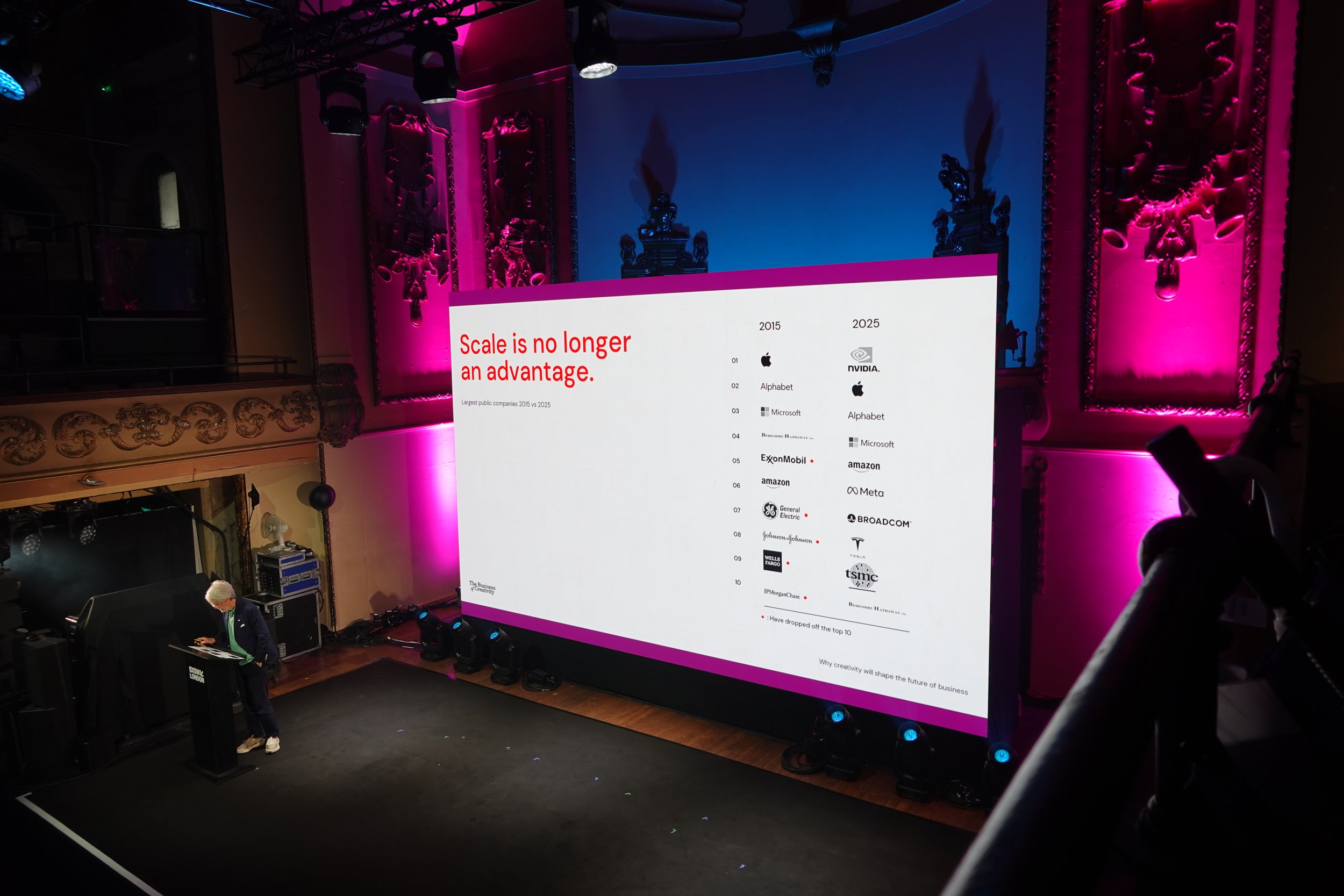
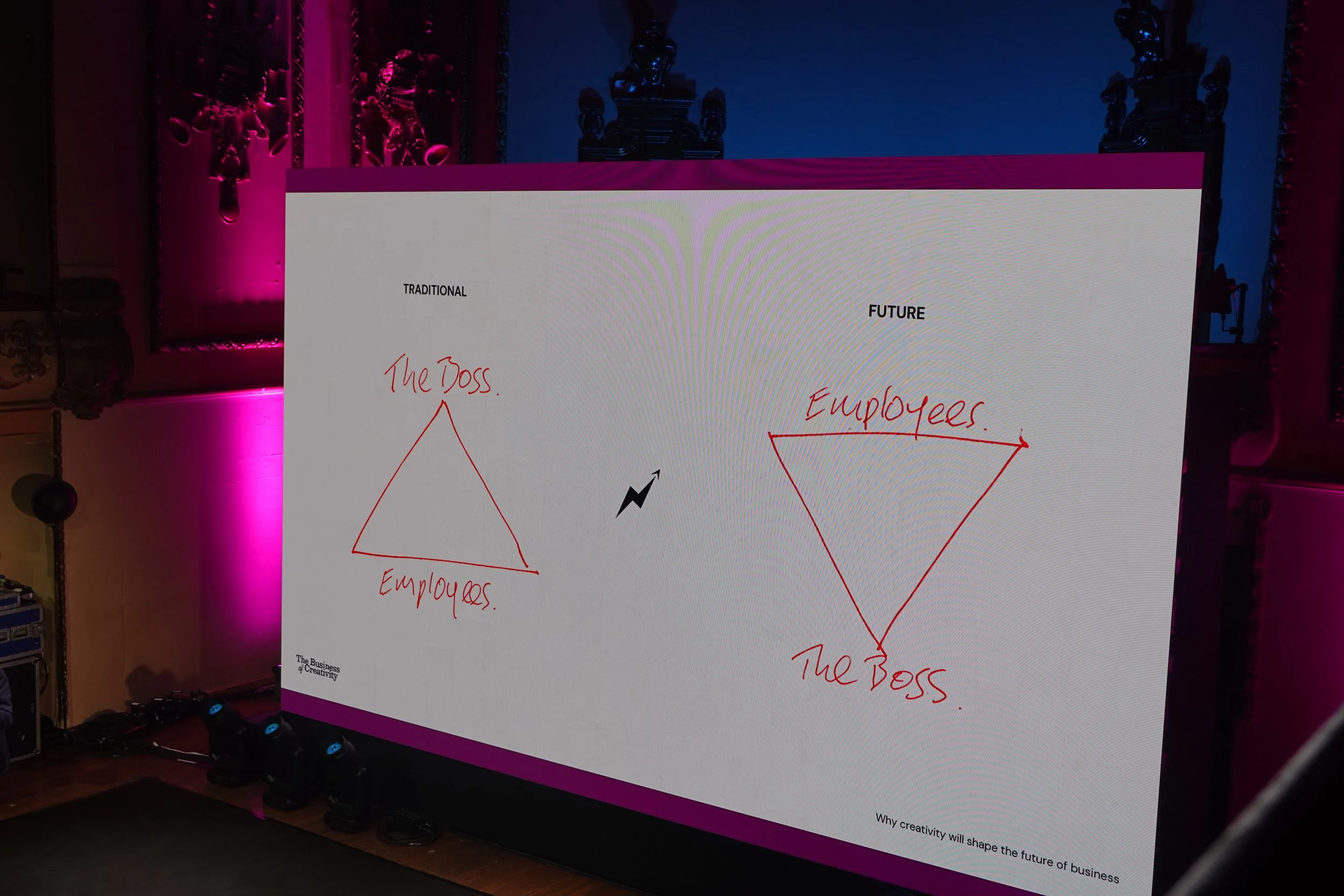
Sir John Hegarty argues that traditional business schools are structurally flawed because they over-prioritize rigid processes comfortable to conventional thinkers, rather than teaching what truly drives economic growth: ideas. In an landscape where AI democratizes the rapid launch of products, a company's greatest asset is self-expression, constant curiosity, and a willingness to let lower-level employees structurally push for creative change.
UX Takeaway: Consider honing more traditional creative skills rather than going to business school.
Comfort is Costing Us Connection
Jackie Jantos (Hinge CEO)
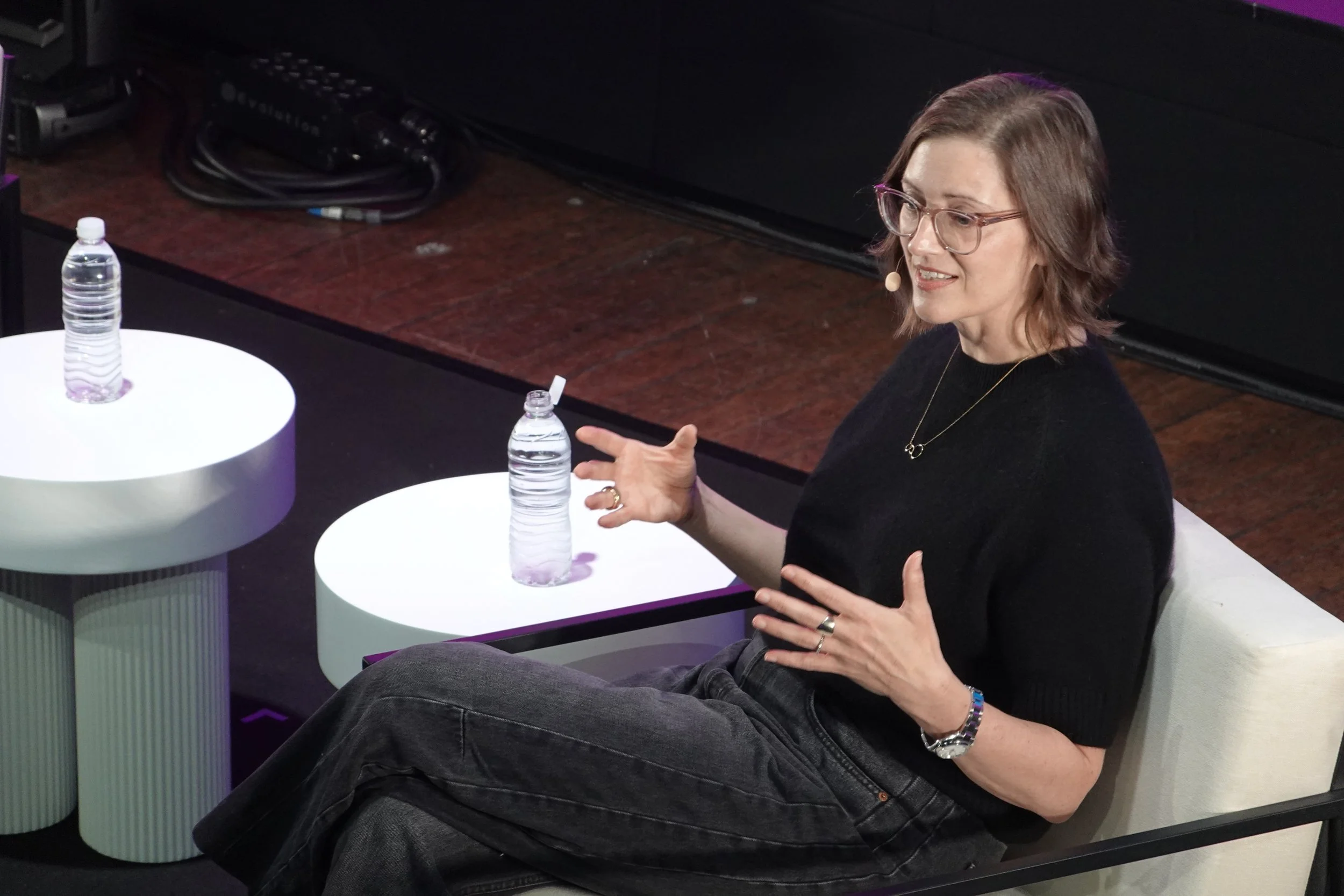
This session explores the shifting behaviors of Gen Z users, who are experiencing an isolation epidemic and high social anxiety after spending upwards of 1,000 extra hours a year alone. Hinge CEO Jackie Jantosdetails how the app combats this by prioritizing core, outcome-based human connections over ad-driven screen time, highlighted by the rollout of "Signals"—a profile badge that rewards users who invest real effort and thoughtfulness into their profiles.
UX Takeaway: Consider the behavioral and social aspects of your users when designing features for them.
Jackie Jantos (Hinge CEO)
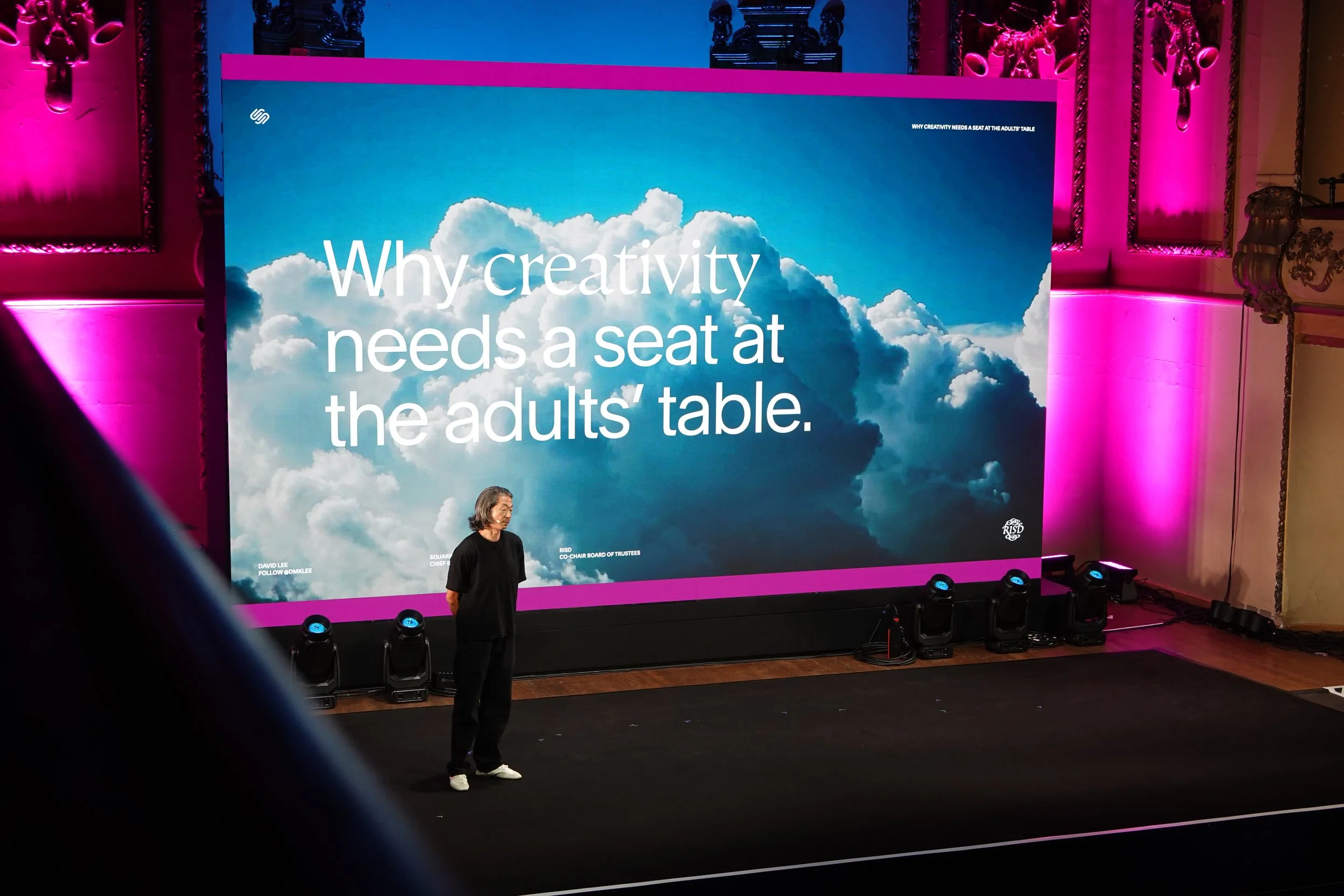
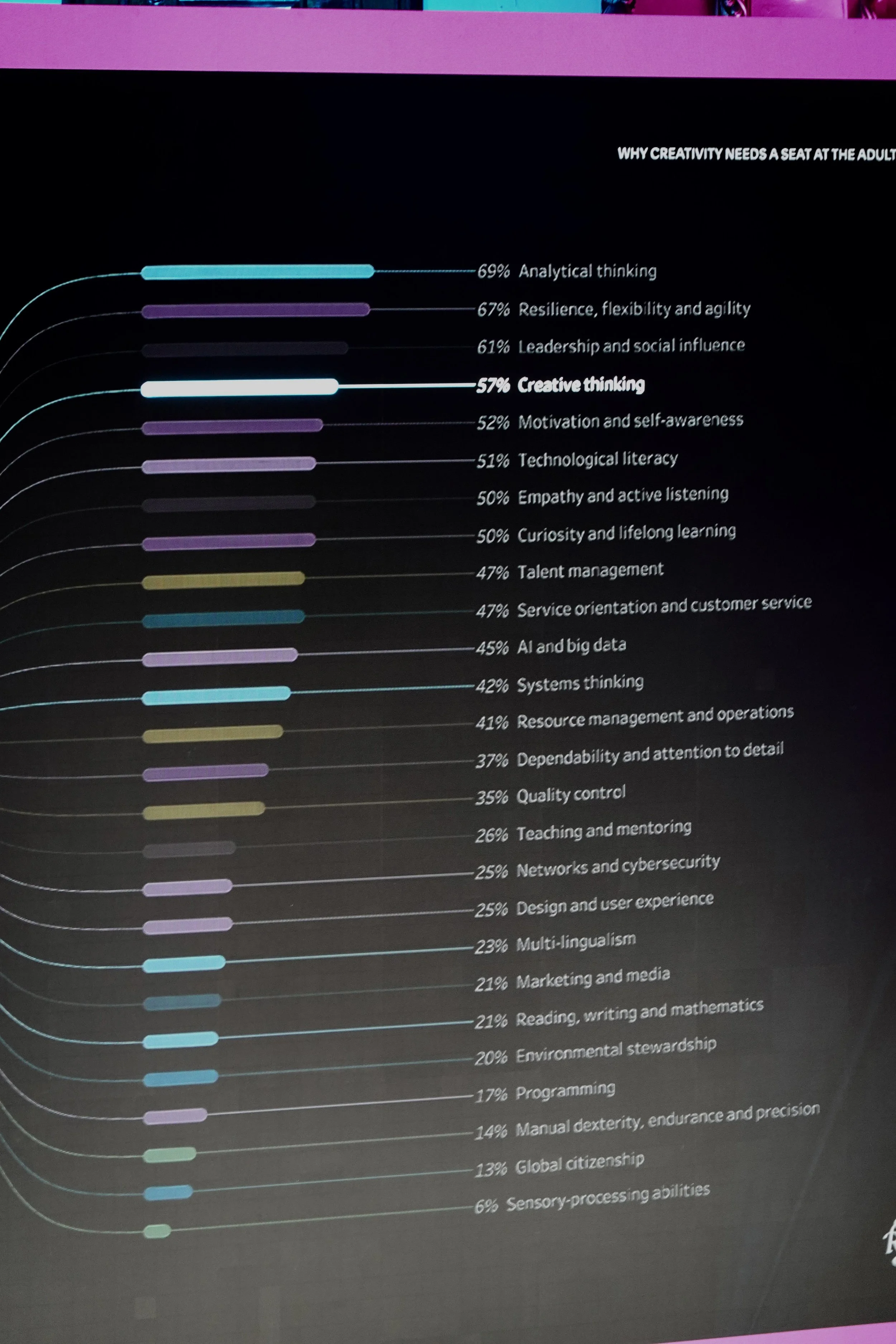
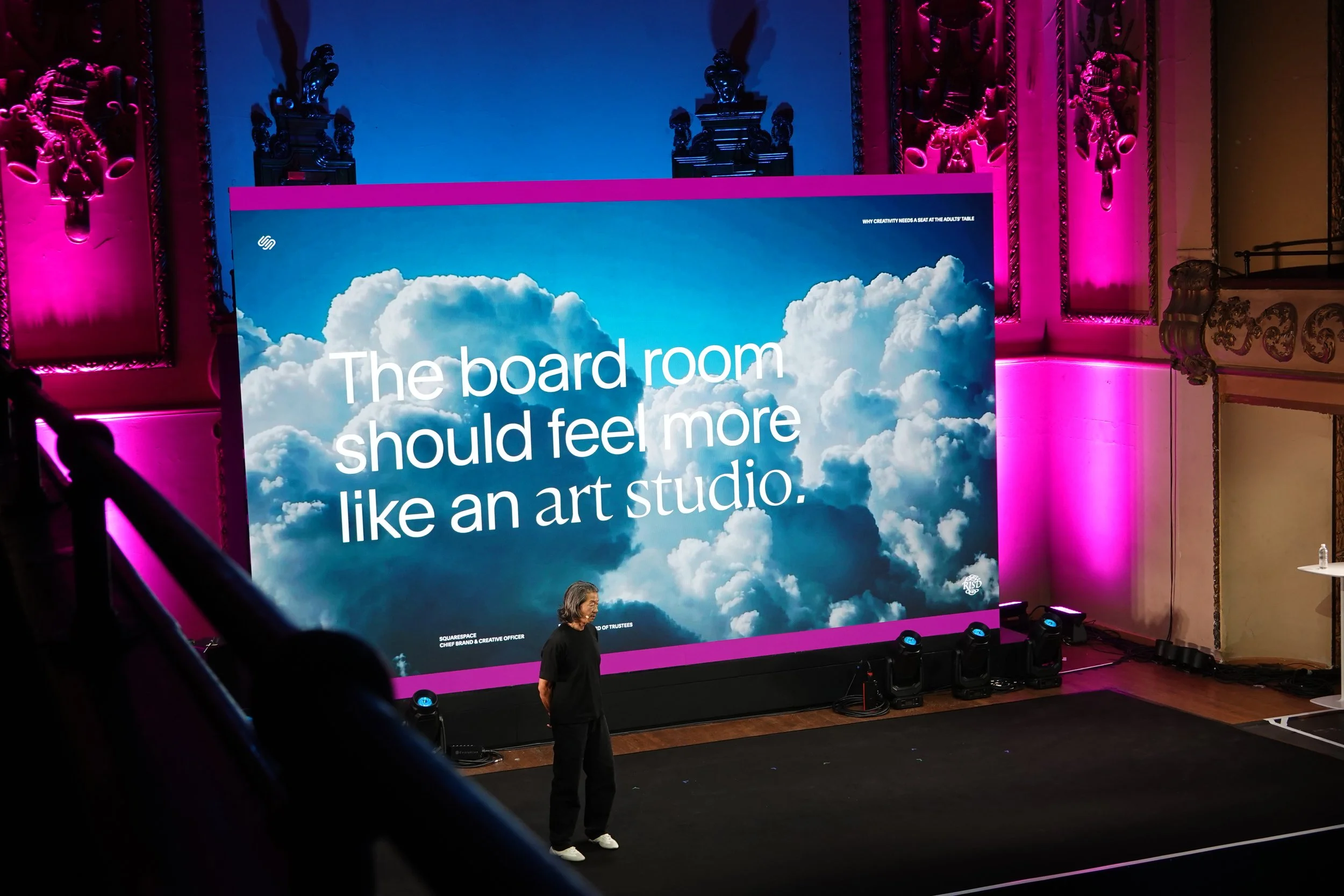
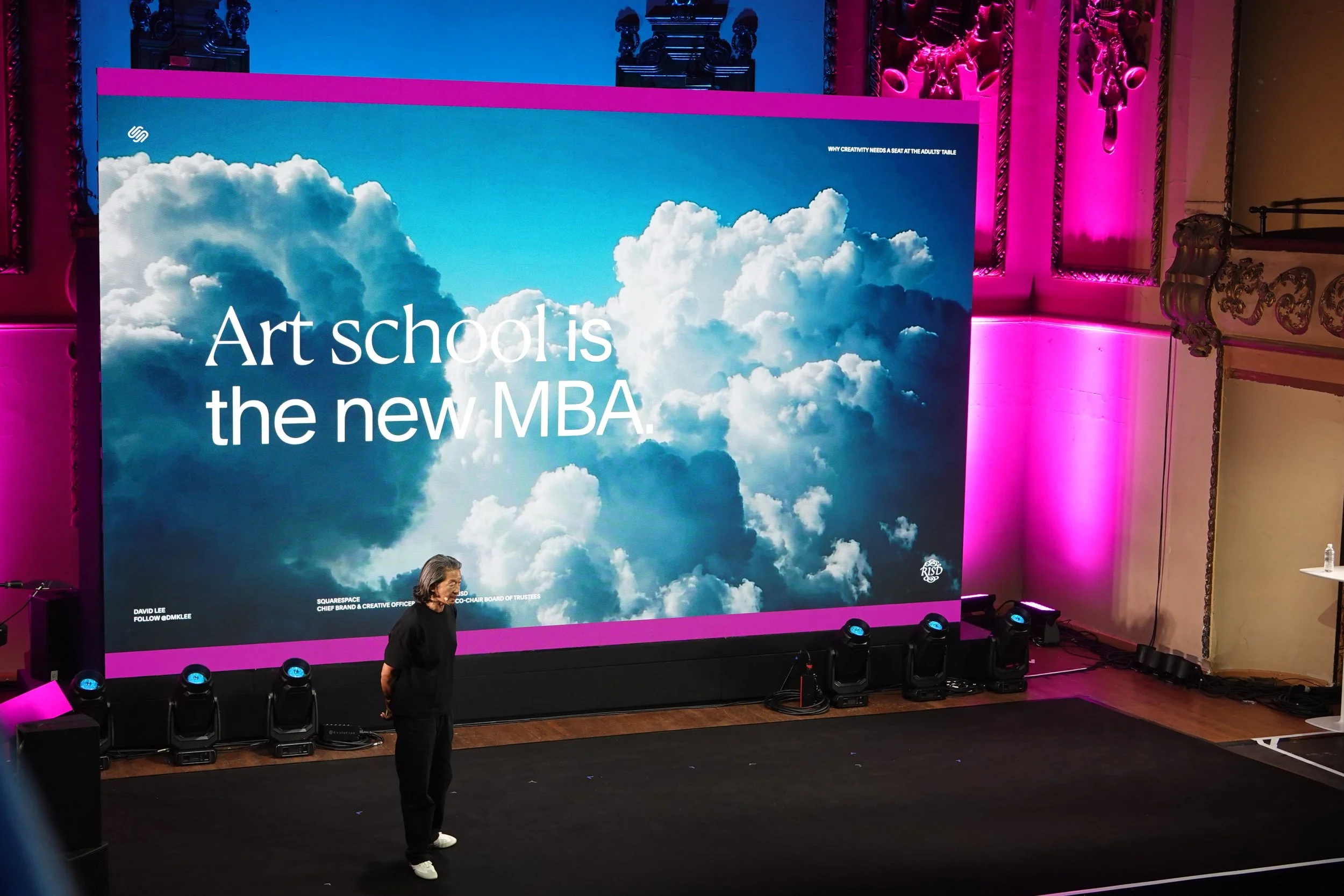
Why Creativity Needs a Seat at the Adult Table
David Lee, Chief Brand and Creative Officer at Squarespace
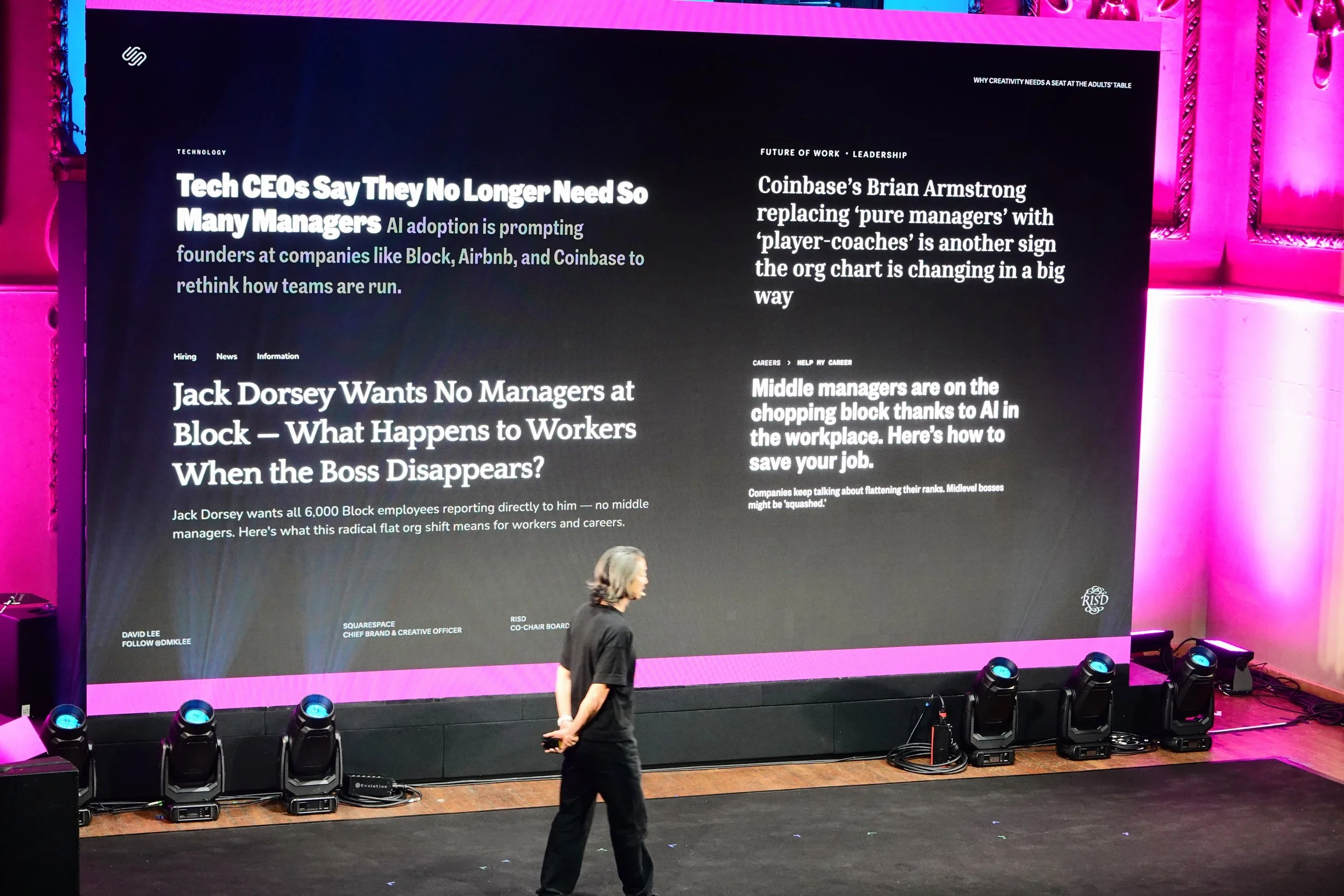
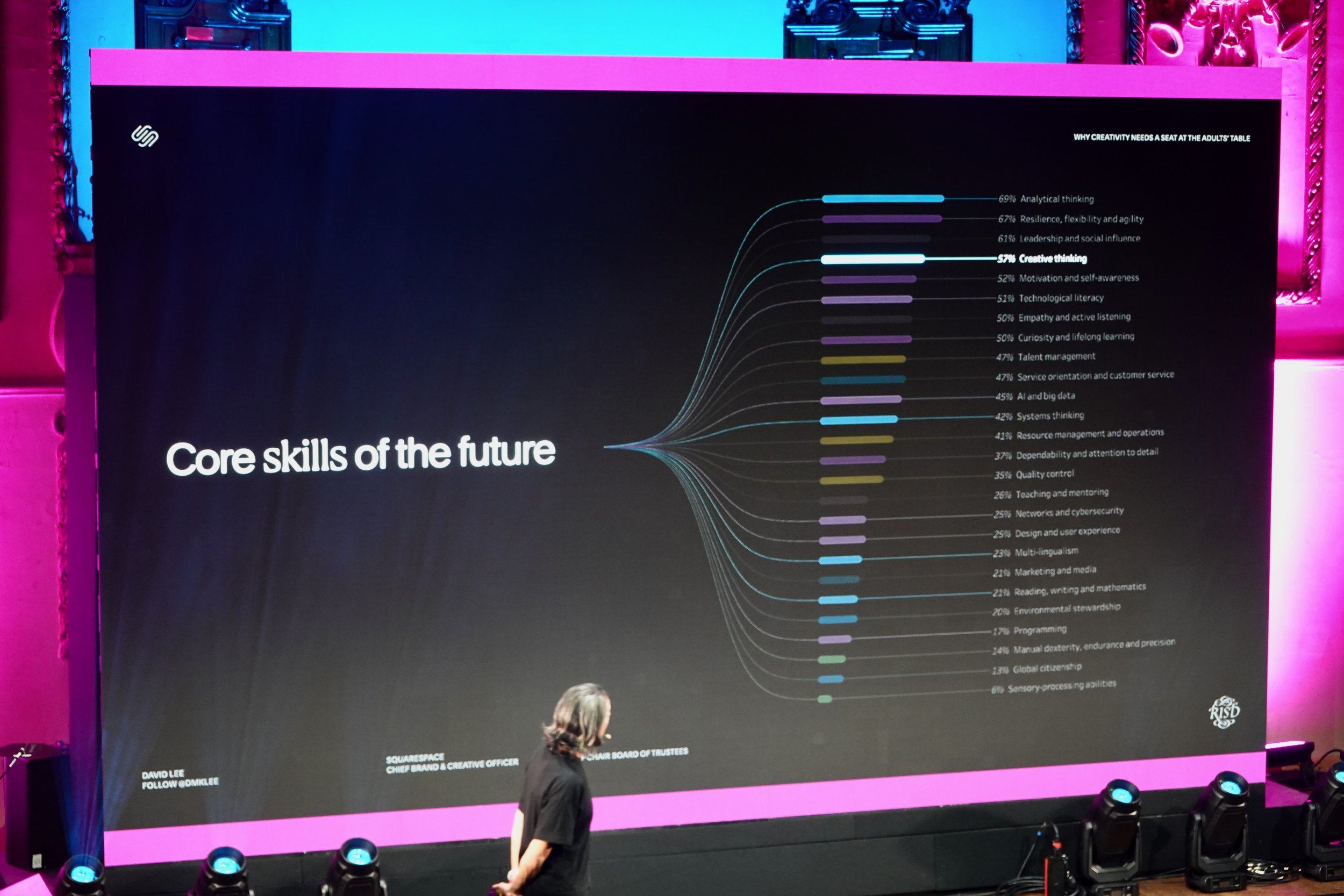
David Lee outlines why management has started to do more hands-on work and that creatives focus their skillsets to adjust to this changing world. He breaks this down into three essential design tenets: Creativity (finding unique, simple solutions backed by genuine taste), Critique (building peer resiliency through the evidence-based feedback loop), and Craft (transforming ideas into distinct luxury experiences).
UX Takeaway: Creatives should be strengthening their core design tenets.

Play Bigger: Creativity, Culture and the Power of Scale
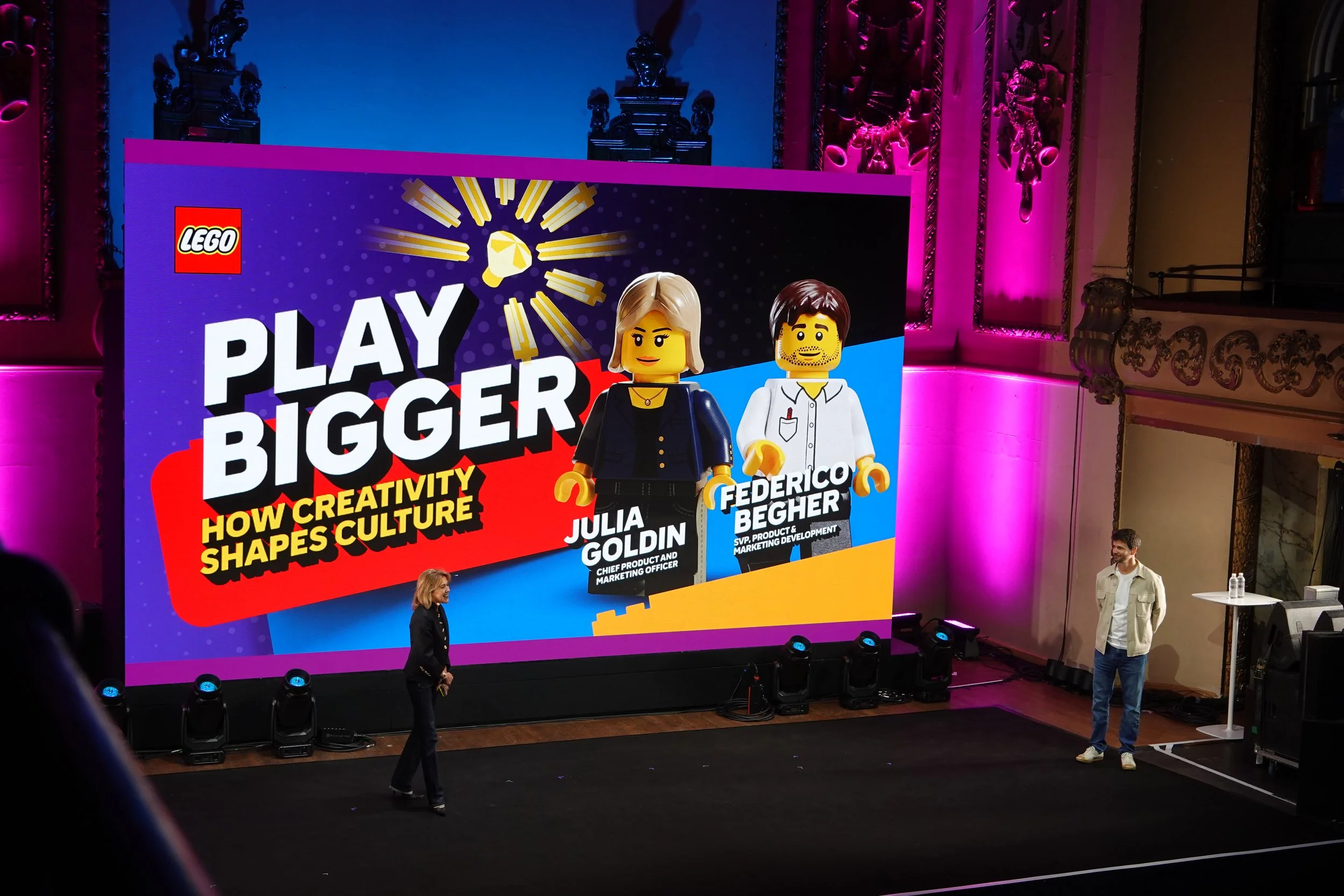
Federico Begher (SVP Product, LEGO), Julia Golden (CMO, LEGO)
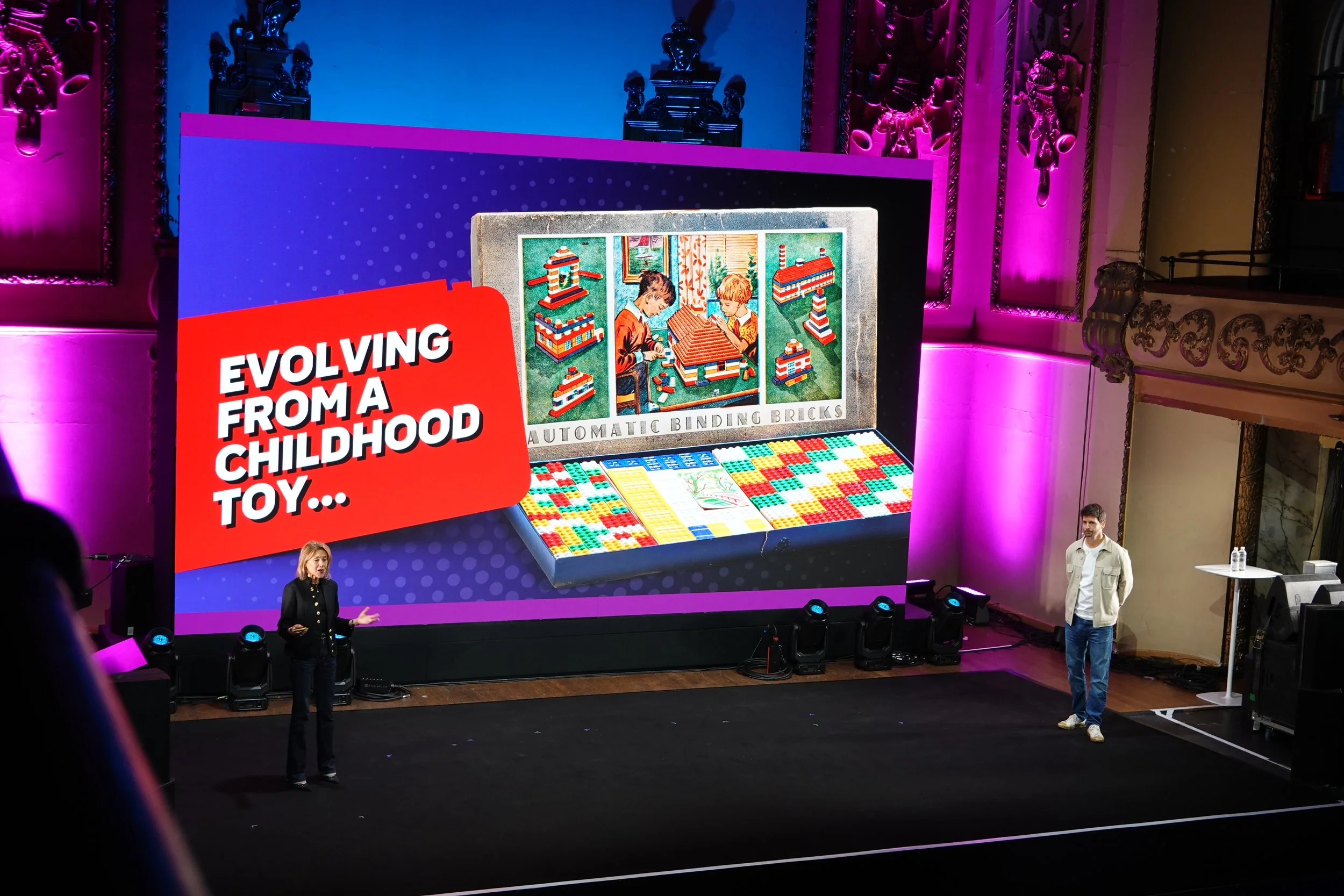
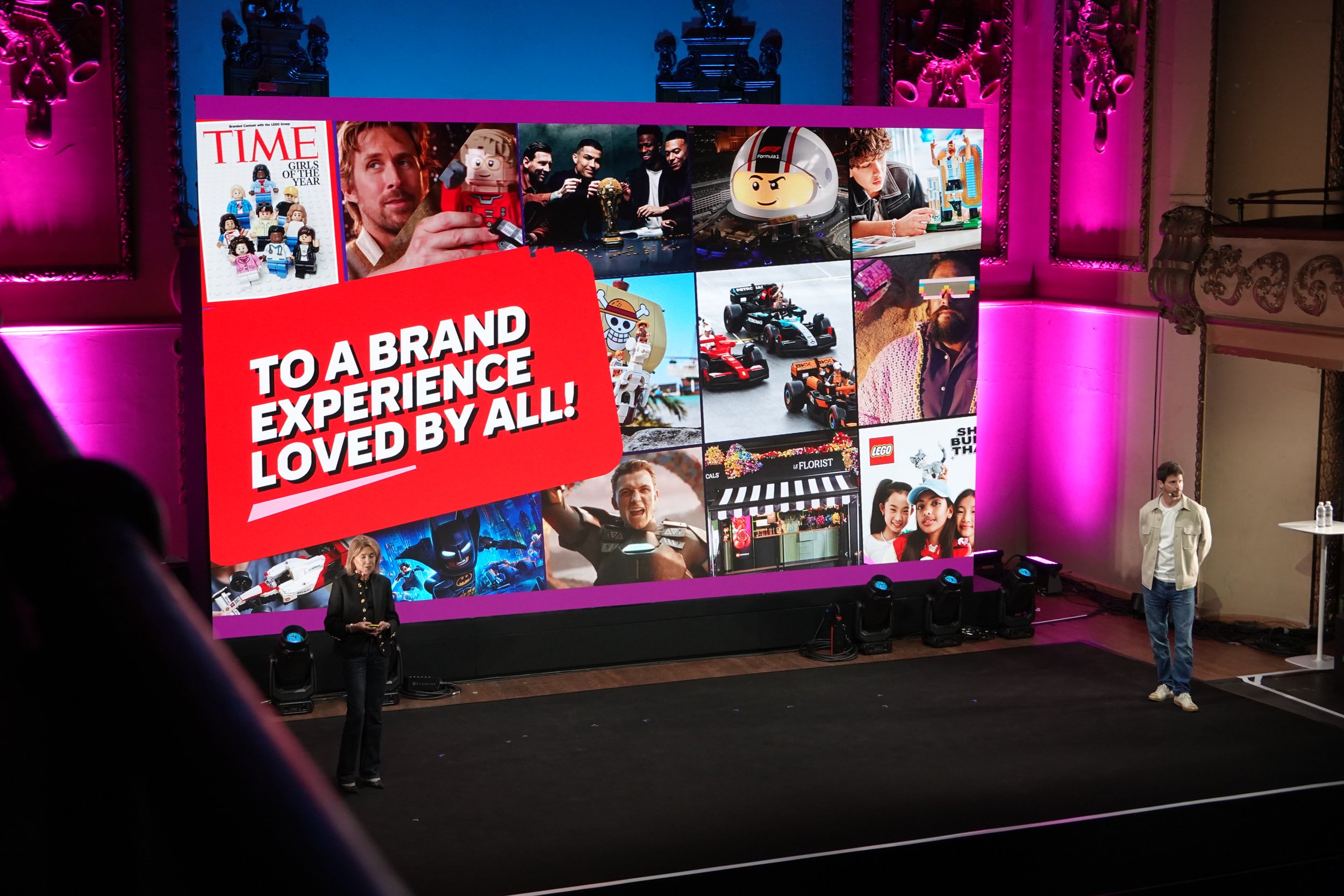
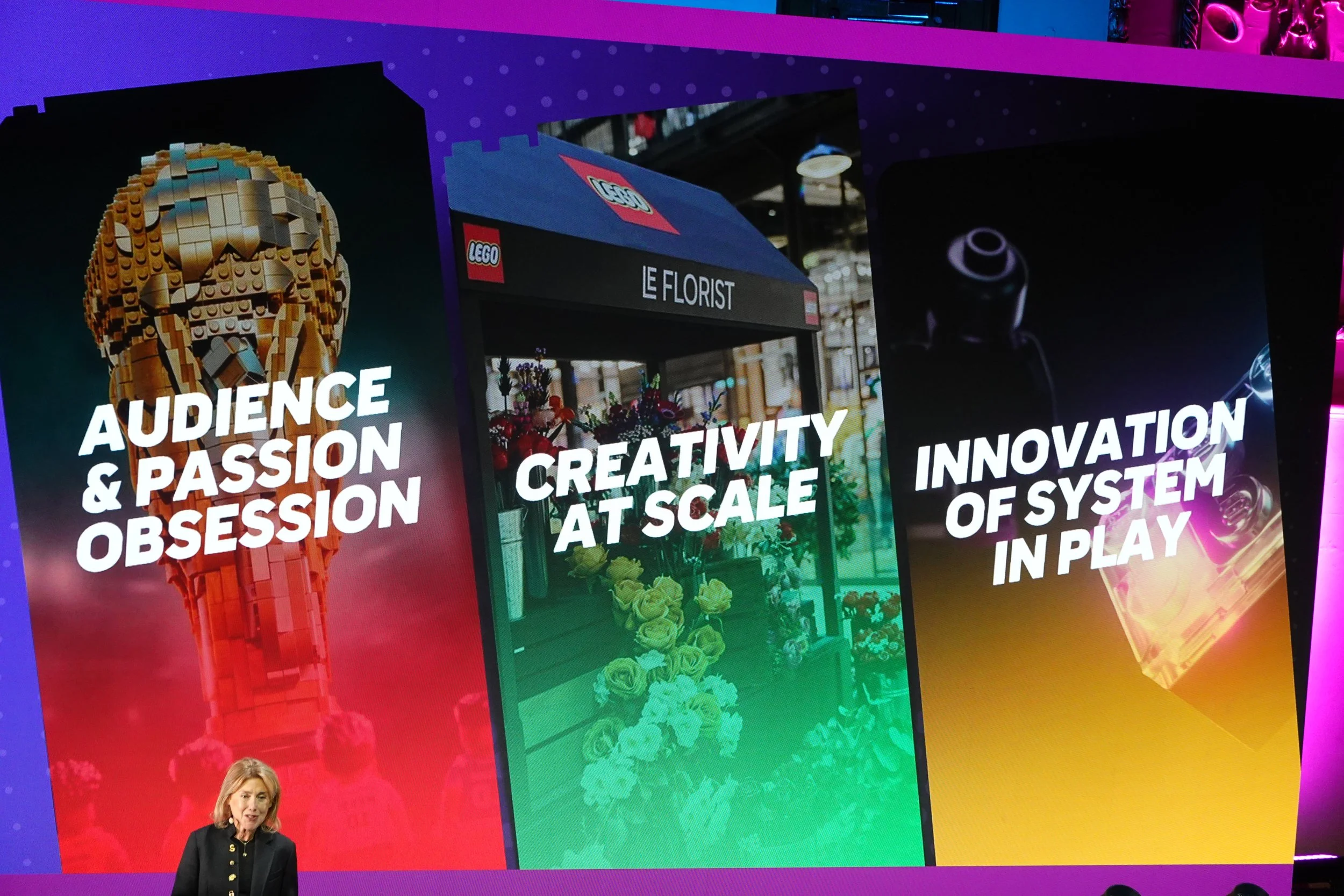
LEGO executives discuss how a deep understanding of subcultures unlocked massive scale, allowing them to expand from a children's toy into an ecosystem of pop-up experiences, entertainment, and adult passion portfolios. Key innovations observed from user patterns include their massively successful Botanicals line—originally inspired by observing employees building loose-brick bouquets on their desks—as well as the 2026 launch of Smart Bricks embedding interactive silicon chips to meet the imaginative roleplaying demands of kids.
UX Takeaway: Building an ecosystem at scale, leaning into user obsessions.
Building a Better Internet for Creativity
Paige Fitzgerald (COO, Patreon)
Paige Fitzgerald explores how the platform prioritizes creator intentions and direct-to-fan communities over infinite doom-scrolling, ad revenue, or algorithmic watch time. Because Patreon's business model is explicitly tied to a percentage of creator earnings, the UX focuses on empowering cross-platform communities to build stable incomes, implementing protective security protocols against non-consensual AI scraping, and introducing human-curated recommendations over algorithmic manipulation.
UX Takeaway: Design equitably for the creator, the fans, and the company.
The Fantastical isn't Fantasy
David Sheldon-Hicks (Founder, Territory Studio)
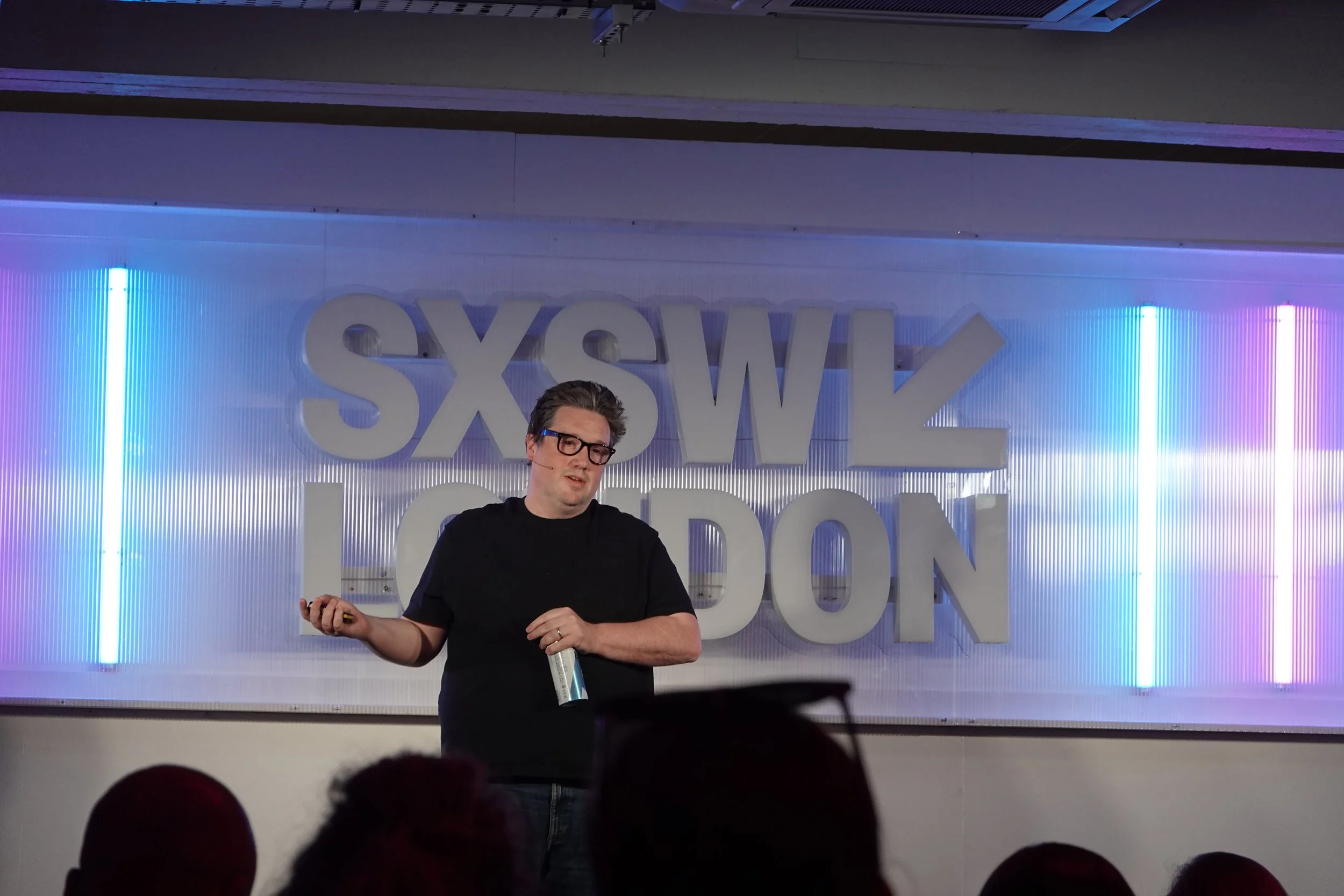
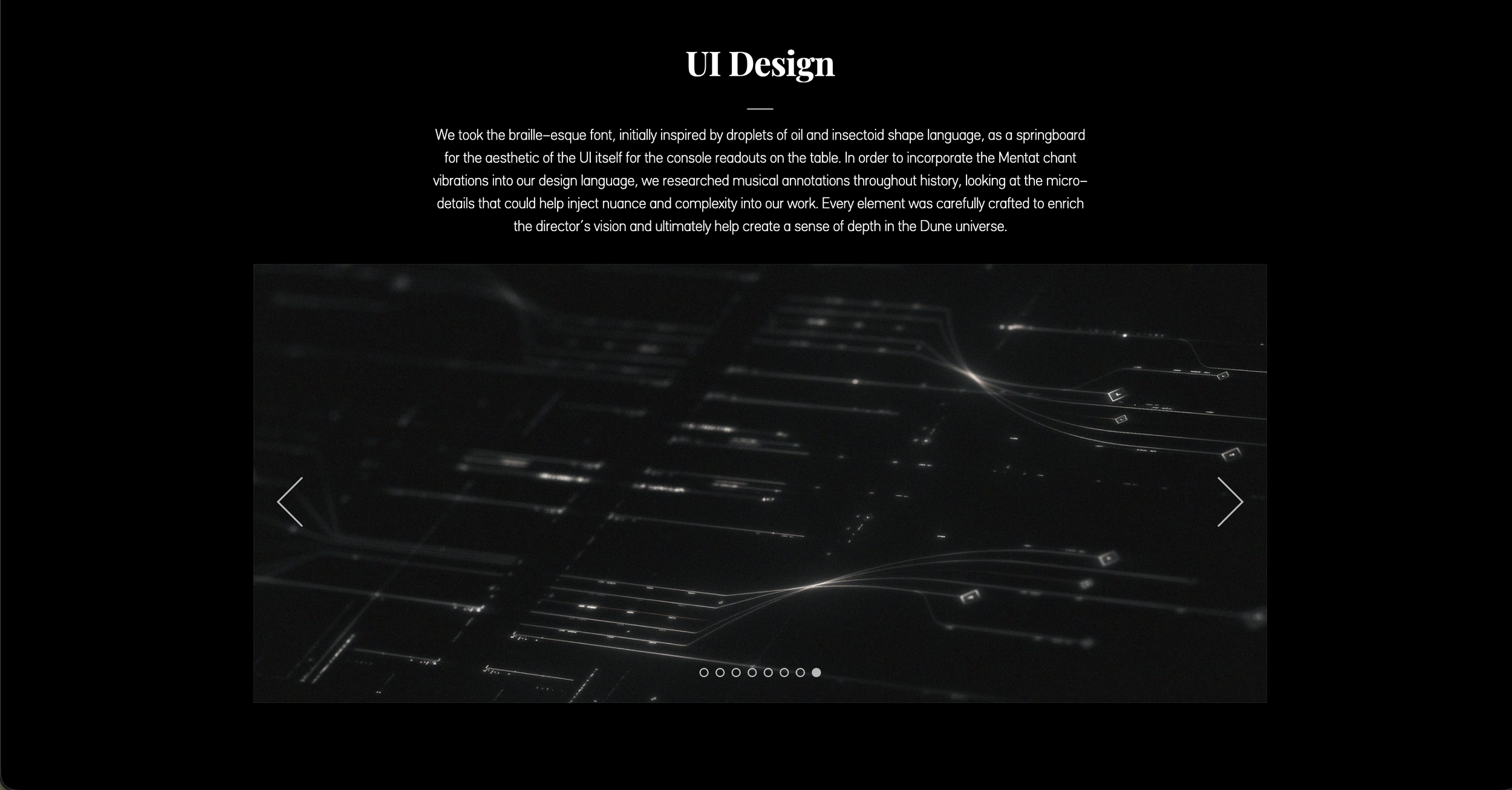
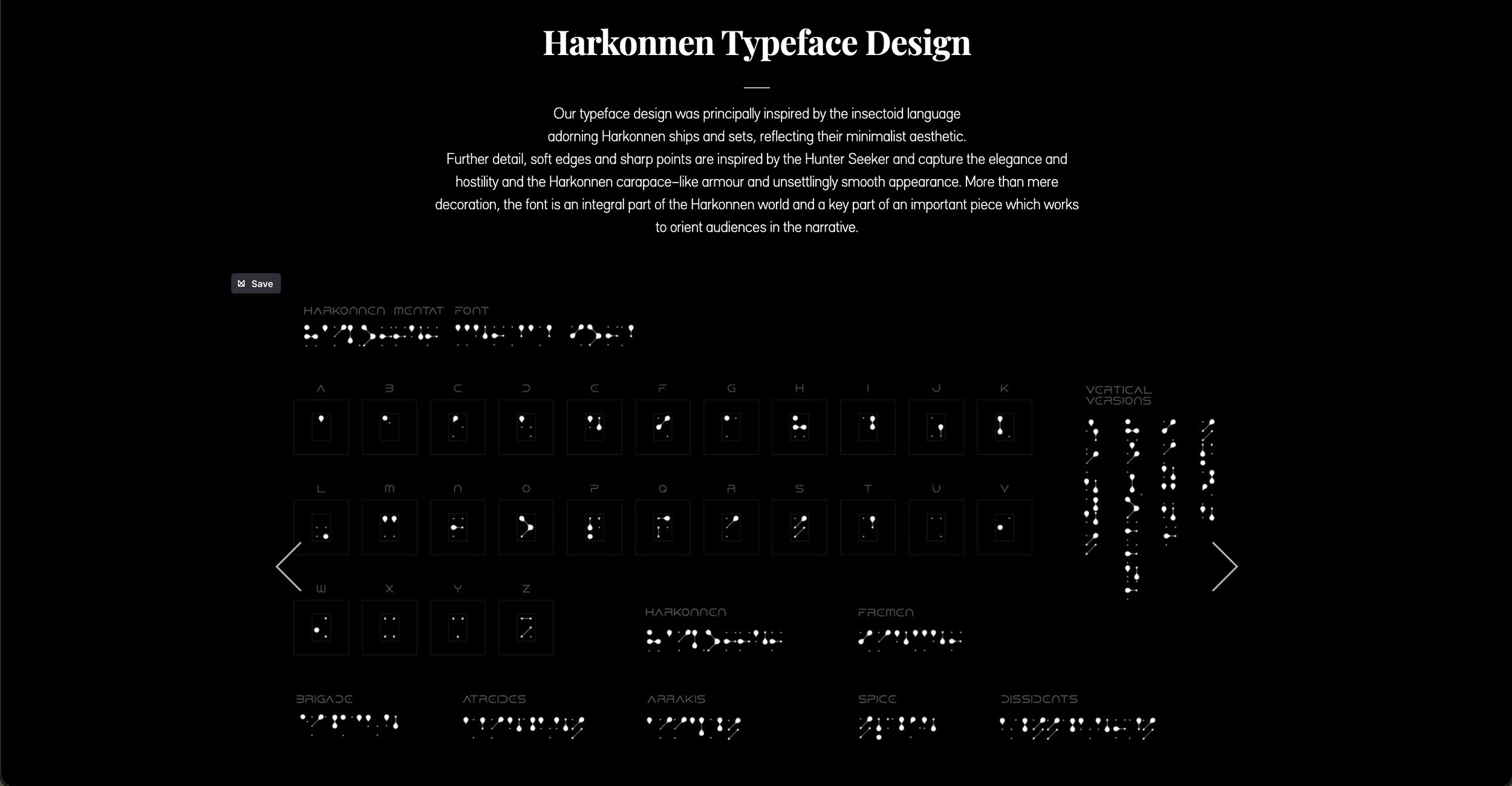
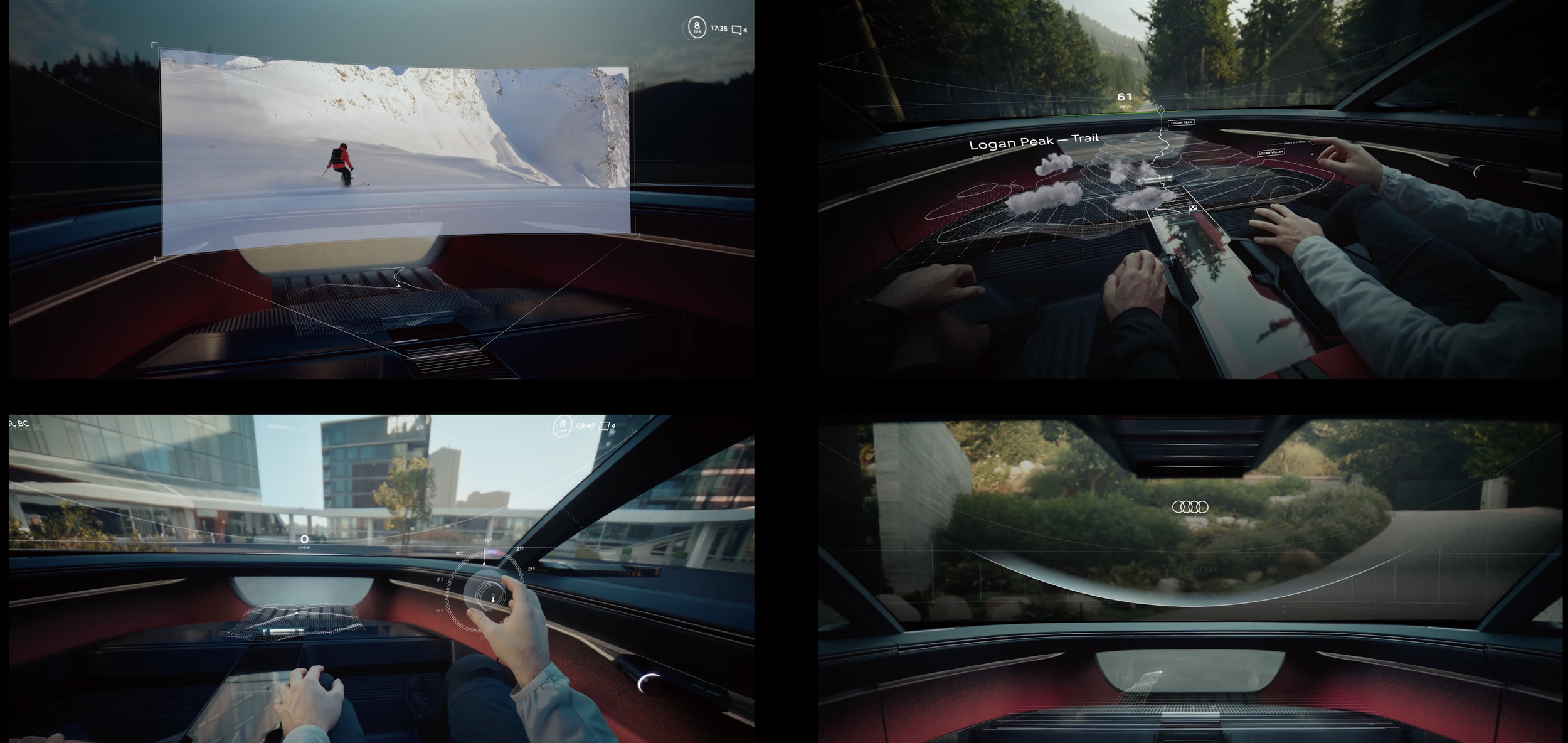
David from Territory Studios explains the intricate process of creating User Interfaces for cinematic masterpieces like Dune II, alongside conceptual AR/holographic spatial computing prototypes for the automotive industry like Audi. He emphasizes building deep internal logic and design systems that respect a narrative's world-building rules (such as Dune's distrust of AI), testing how asset patterns hold up across dynamic camera angles, and utilizing progressive disclosure so physical spaces intelligently understand user intent without default standard screens.
UX Takeaway: When building design systems, fully immerse yourself in the culture of the product.


Entertainment as an Asset Class
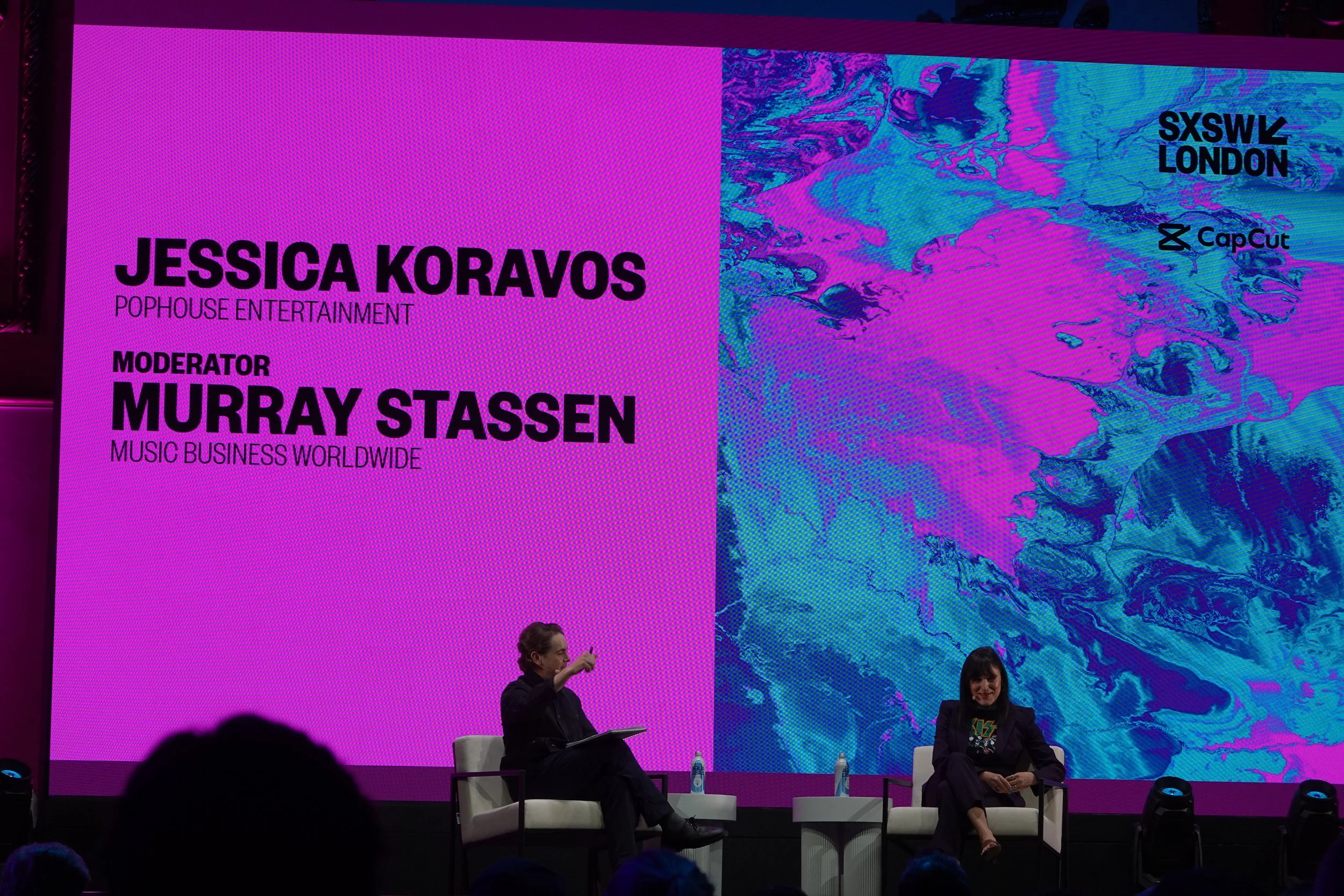
Jessica Koravos (Pophouse CEO)
Jessica Koravos discusses the highly profitable fusion of creative vision and capital investment to unlock music catalog intellectual property across physical and digital spaces. Using high-yield, deeply collaborative case studies like the Avicii museum, Mamma Mia the Party, and the immersive, highly risky tech structure behind ABBA Voyage and the upcoming KISS digital theater in Las Vegas, the talk details how legacy IP can be up-leveled into highly active, gamified, and social fan ecosystems.
UX Takeaway: Consider what data (IP in this case) you have and maximize its usage across forms and surfaces.
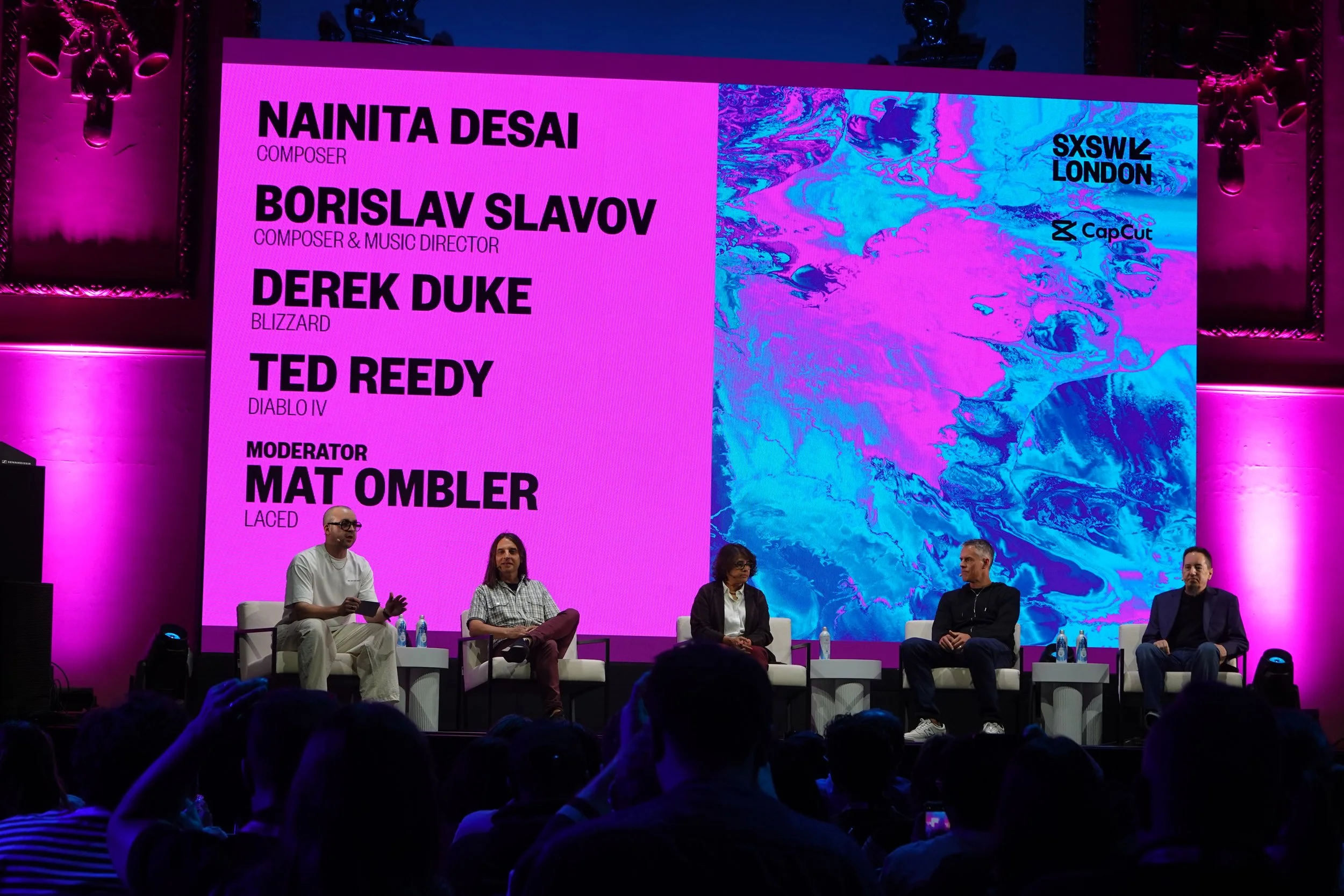
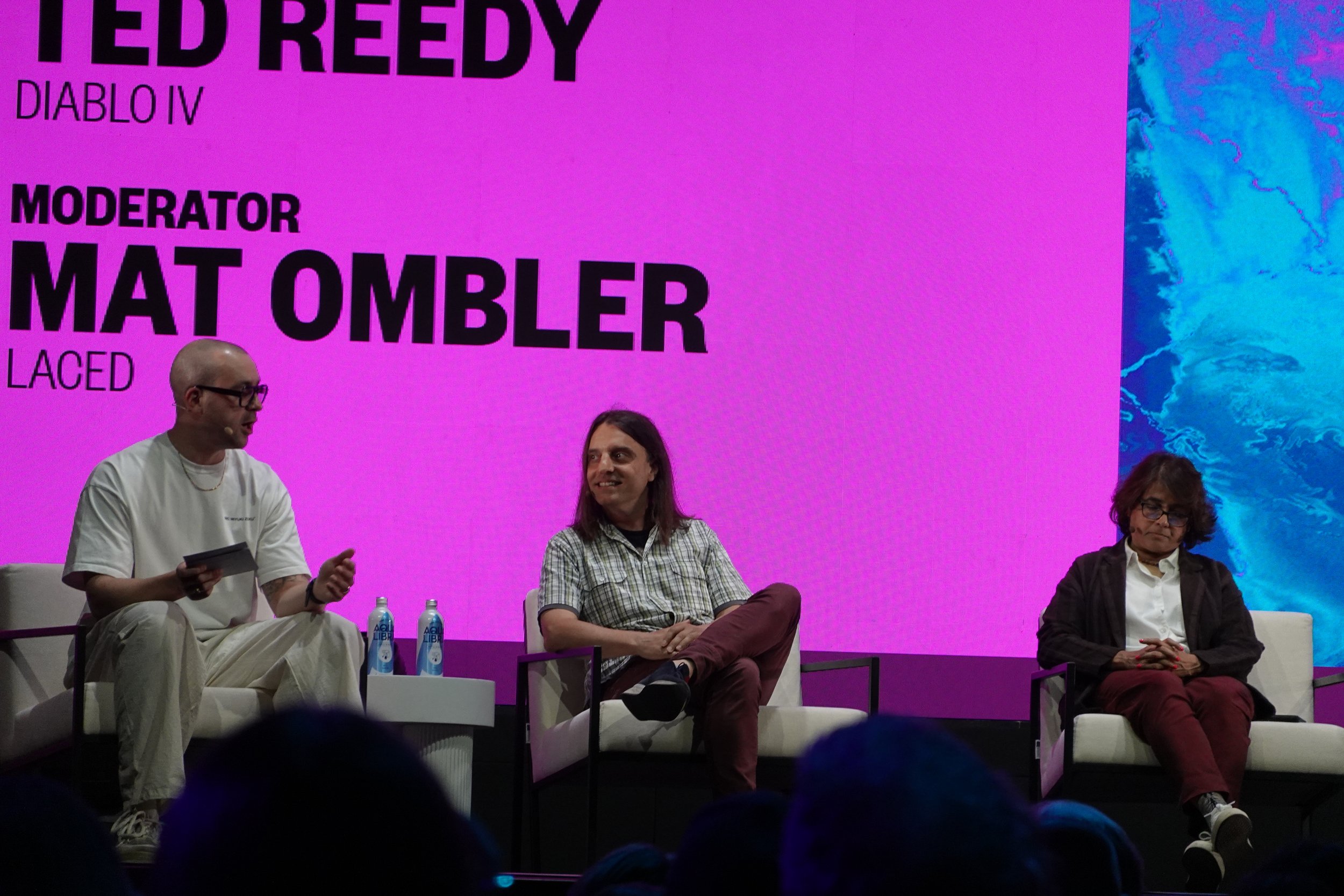
From Sanctuary to Stage: How Game Soundtracks Immerse Audiences Onscreen and Onstage
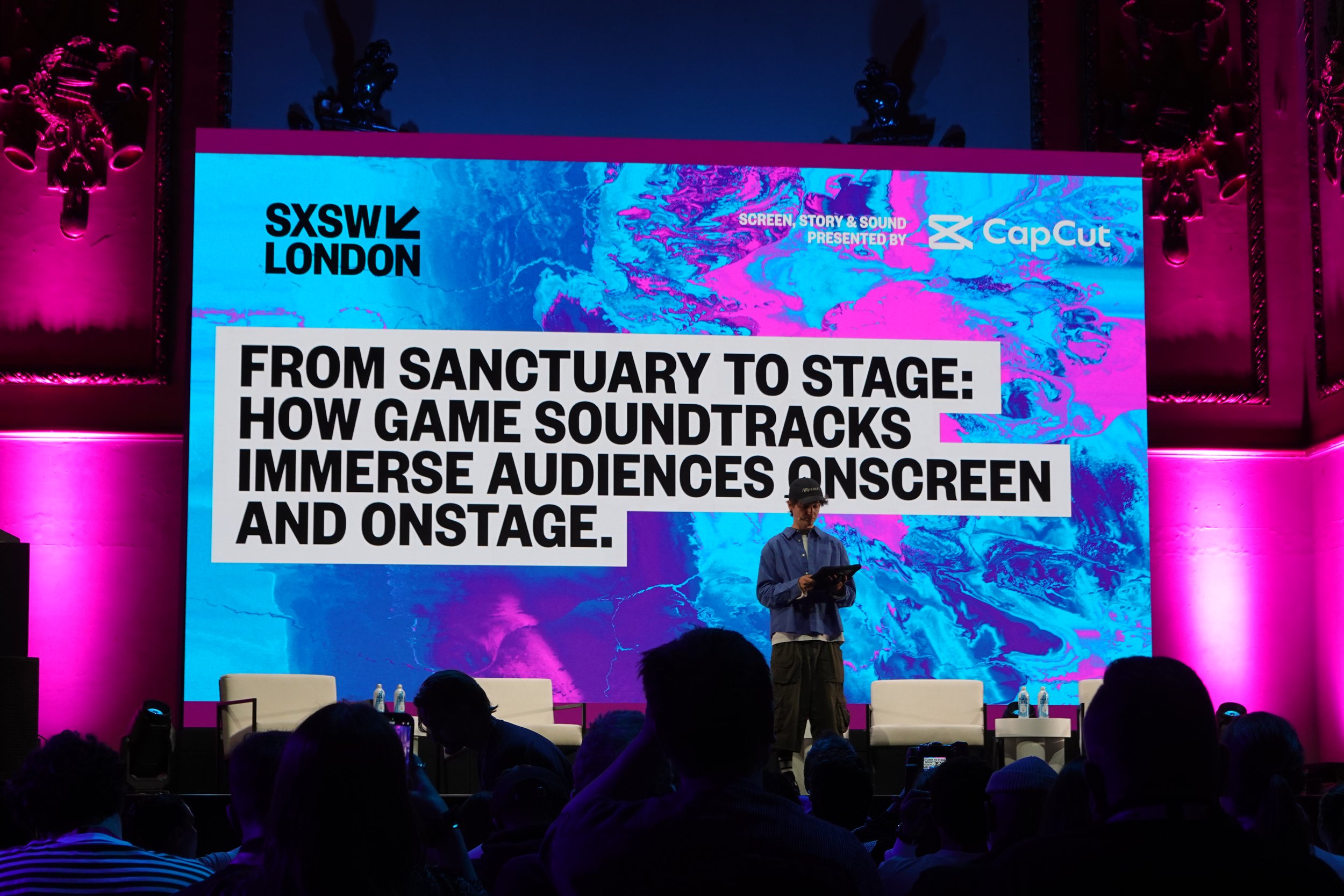
Borislav Slavov (Composer, Music Director Baldurs Gate), Derek Duke (Music Director, Blizzard), Nainita Desai (Composer), Ted Reedy (Composer, Diablo IV), Mat Ombler
A panel of game composers and music directors unpacks why the $97 billion video game audio market thrives over traditional film scoring due to the massive scale of user interaction, where players absorb dynamic soundscapes over tens of hours. Highlighting highly reactive titles like Baldur's Gate 3 and non-linear narrative films like Immortality (which meta-tags 10 hours of score across a 300-page blind script), they explain how collaborative game audio dynamically scores choice, payment, and communal fan memories through touring orchestral productions and tangible, physical vinyl releases.
UX Takeaway: Consider the scale at which a user will interact with your product and how that would change how you design it.


Other misc. talks
You can read my full SXSW 2026 notes for more details on all the talks.
Freeing Ben and Jerry's: Why Ownership Matters: Ben Cohen discusses his concern that Ben & Jerry's is losing its social activism culture under corporate ownership and advocates for alternative models like steward ownership to lock in a brand's moral mission.
Challenging the Attention Economy with the Light Phone: Kaiwei Tang discusses designing minimalist hardware with zero infinite feeds or advertisements, aiming to flip attention-economy conventions and turn the phone back into a simple utility tool you use and put away.
The Human Algorithm: David Droga and Matthew Freud discuss how AI raises the baseline floor of data-driven, left-brain thinking, creating a unique window for random, messy human taste and long-term creative iteration to step up as the real differentiators.
Women’s Sport. Now What?: A sports marketing panel breaks down how brands can move past overplayed, generic "You Go Girls" clichés to confidently capitalize on the nuanced, player-focused subcultures driving the massive growth of women's football and rugby.
Technology as an Instrument: Inside the AI Workflows of the World's Biggest Producers, Mixers and DJs: Music industry veterans frame AI as a granular "kitchen tool" to beat the blank-page problem during early ideation phases, asserting that human inspiration and raw mistakes will only gain premium value as a result.
Making History in Real Time: Orchestrating the Agentic Future: Sir Martin Sorrell and Alison Kay unpack the high-level orchestration of agentic AI at the enterprise cloud level, emphasizing the shifting agency models and the urgent need to upscale human tech skills to match rapid development.
Beyond the Prompt: What Fashion Brands are Learning about AI and Creative Direction: Fashion industry executives dissect how teams are actively integrating AI into their existing processes as a tool to contextualize the past, while relying strictly on human direction, storytelling, and curation to craft the future.
The GTA Effect: Creator Brian Baglow and academic historians trace the monumental history and pop-culture influence of Rockstar Games' Grand Theft Auto franchise, explaining how open-world scarcity, deep world-building, and active player modification keep the series intensely relevant.
Choreographing the Future: Studio Drift's Lonneke Gordijn showcases the agency's physical-digital art installations—ranging from dissected dandelion LED lights to synchronized Burning Man drone swarms—demonstrating how slow, unexpected patterns can influence user emotions.
Design the Experience, Score the Emotion: The Impact of Building Multi-Sensory Brand Worlds: Global design heads from Coca-Cola and JKR explore how massive brands navigate globalization and increased competition for attention by focusing on authentic, multi-sensory brand collaborations that prioritize emotional cohesion over repetitive scale.
Betting Big on Brazil: How Brazilian Musical Identity Became a Global Currency: Music executives evaluate the massive global surge of Brazilian funk, explaining how local artists bootstrap and lean on regional communities to launch digital footprints, despite massive language barriers and a lack of traditional resources.
Artist First, AI Powered: Splice CEO Kakul Srivastava details how the platform integrates AI to broaden user accessibility while keeping tough internal team conversations alive regarding user identity, catalog safeguards, copyright boundaries, and fair financial compensation models.
